 en
en

Hatshepsut Temple
The Mortuary Temple of Hatshepsut (Temple of Hatshepsut), Luxor, Egypt – a Splendid Temple to a Powerful Queen
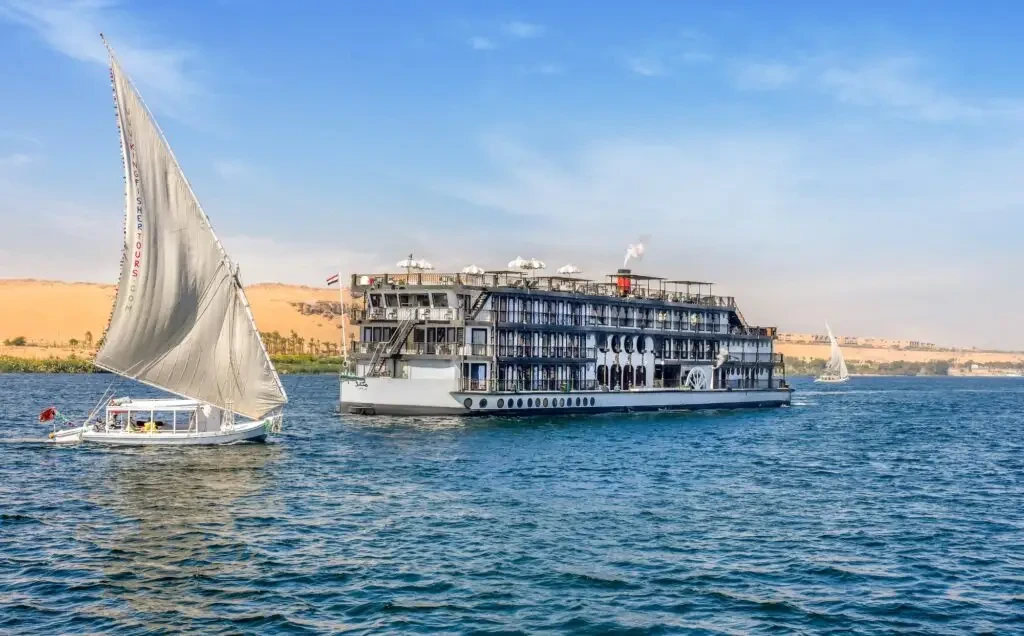
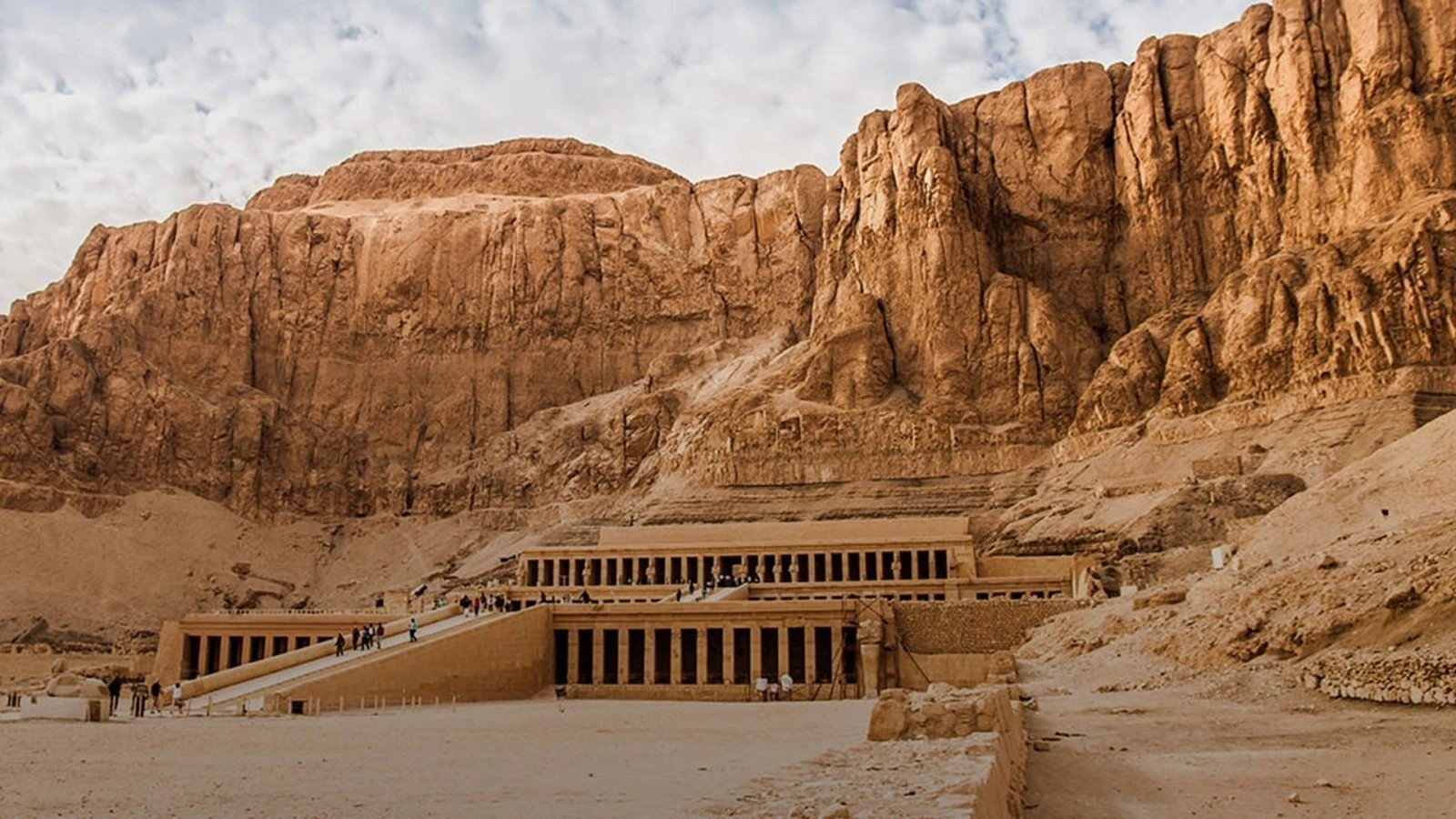
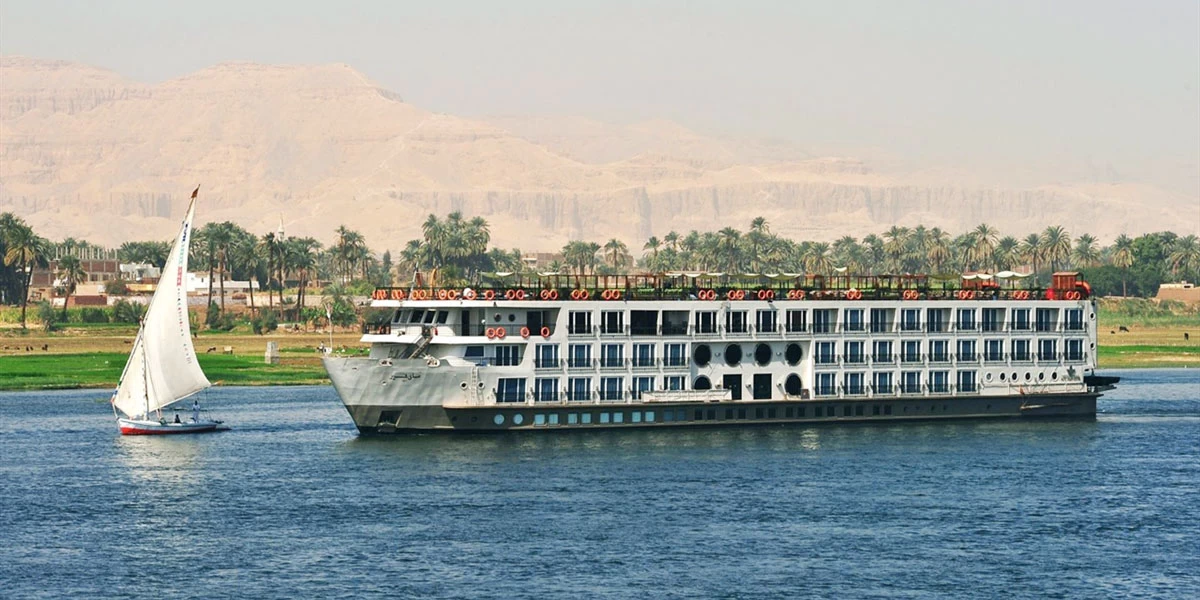
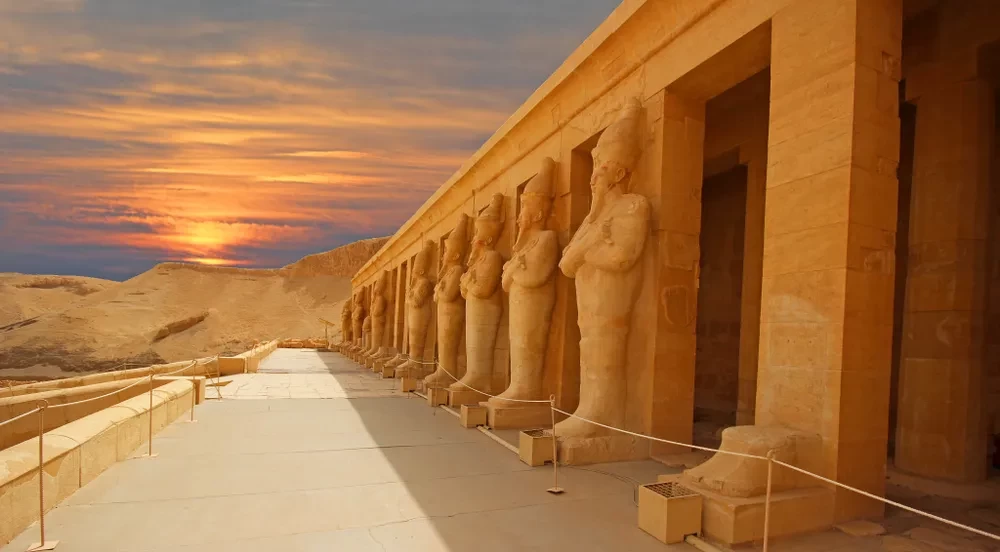
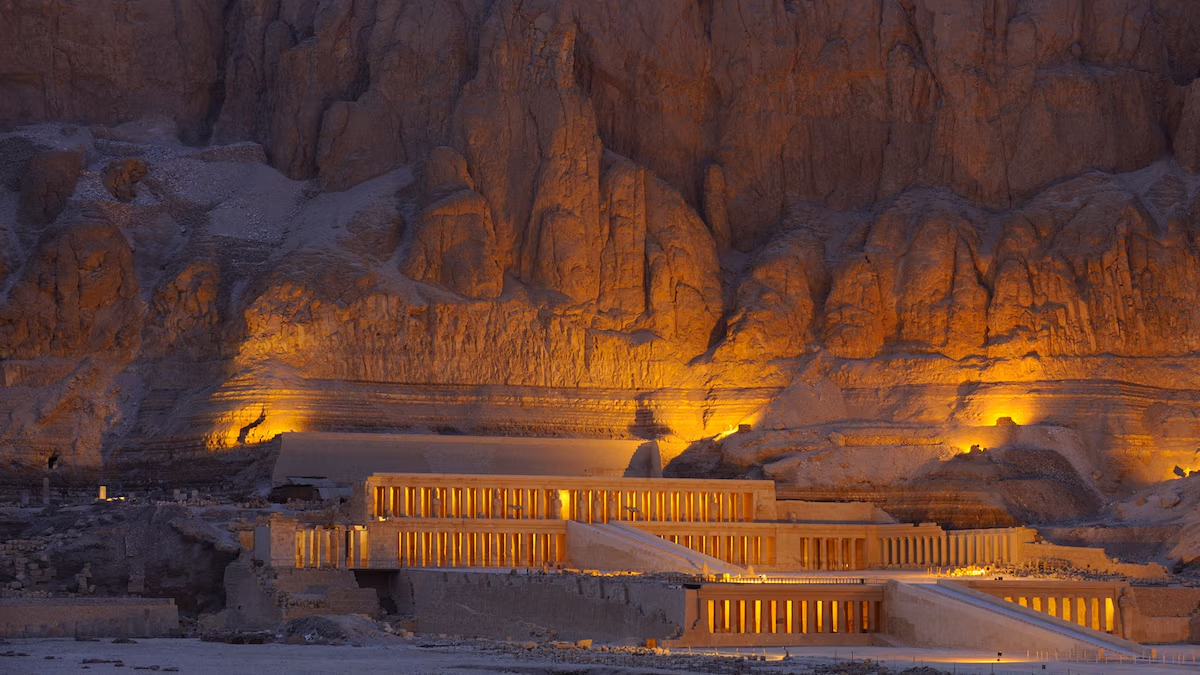
The Mortuary Temple of Hatshepsut is undoubtedly the most amazing construction in all of Egypt. Set against magnificent limestone cliffs, on the West Bank of Luxor, the temple has been constructed to celebrate one of ancient Egypt’s most powerful female leaders - Hatshepsut. The beautiful, terraces, the ordered colonnades and the desert are so impressive that the Temple is invariably listed as a place you MUST visit on all Luxor tours or a Nile cruise.
Nowdays, it is a major stopping off point on tours to Luxor West Bank, holidays in Egypt and visits for the archaeologist.
History of Hatshepsut Temple The Legacy of Egypt's female Pharaoh
The Mortuary Temple of Hatshepsut was built in the 15 th century BCE during the New Kingdom of Ancient Egypt. It served as a funerary temple for the Queen of Egypt, who ruled as pharaoh of Egypt for over twenty years. Her rule was characterized by prosperity, growth in trade, and colossal building projects.
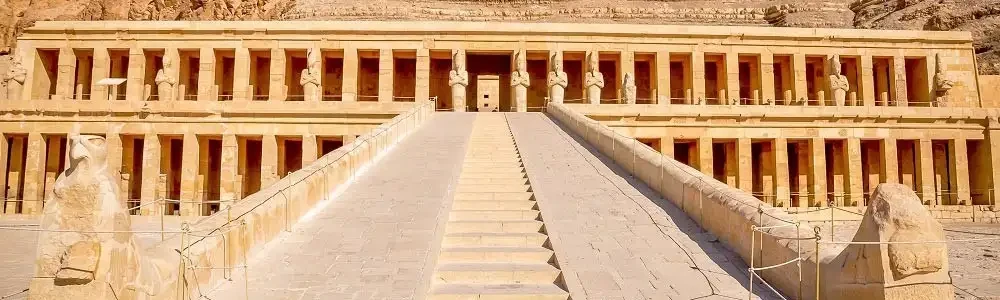
Senenmut, her royal architect, designed the unconventional temple that is carved into the limestone cliffs of Deir el-Bahari. It doesn't resemble the traditional stone blocks we might be used to, but a magnificent monument which rose in three stages up the cliff, separated by vast ramps and open courts.
Within the temple are reliefs that document not only Hatshepsut's story of her own divine birth but her journey on an important trading mission to the Land of Punt, as well as donations to the Gods Amun and Hathor. These reliefs are not only important religious, but also political as they legitimize the position of a female pharaoh, an unprecedented concept during the patriarchal society of Ancient Egypt.
The Architectural Marvel of Hatshepsut Temple Terraces, Columns & Cliffs
One of the most breathtaking architectural elements of Hatshepsut Temple is its terraced structure built into the mountain cliff. Each tier rises up toward the peak with elegant colonnades supporting open courts which once would have been the venue for religious ceremonies and royal activities. The symmetry of the temple can be seen to point directly to a sanctuary within the structure, a connection from earth to the divine; the integrated architectural space of this temple and its natural setting can arguably be said to be the most visually striking monuments in the whole of Egypt. The inner sanctuary and chapels that are within the temple, devoted to Amun-Ra, Anubis, and Hathor are richly illustrated with intricate details, and vibrant scenes from the temple's past. The restored reliefs at Hatshepsut's Mortuary Temple portray the advanced skill of ancient craftsmen.
Visiting Hatshepsut Temple Location, Tips & Best Time to Visit
The temple is situated at Deir el-Bahari, West bank of the river in the city of Luxor and will be included in a general tour which may or may not incorporate the Valley of the Kings and other surrounding structures. It can be accessed from central Luxor via road and is readily available by Taxi. The best time to visit is during October through to April due to the moderate temperatures which are conducive to touring an outside site. Visits during the early morning are recommended so you are not caught out in the heat and can enjoy the tranquil lighting perfect for photography. Comfortable shoes are recommended for extensive walking around the terraces as well as sun protection; a knowledgeable Egyptologist guide can really bring the significance of the relief work and Hatshepsut's life story to life.
Why is Hatshepsut Temple a Must See for the traveler visiting Luxor?
More than simply an ancient temple structure, Hatshepsut's temple is representative of ambition, innovation and a strong, female leader in ancient Egyptian history. The juxtaposition of the monument within the stark surroundings, its visual splendor makes it one of the most memorable of the Nile's ancient treasures and one not to be missed when traveling through or planning an archaeological visit to the region.













-(2)-webp.webp "Best Things to Do in Hurghada in 2026")





-webp.webp "Cairo Nightlife: Best Evening Activities")

-webp.webp "Giza Pyramids Balloon: Everything You Need to Know")