 en
en
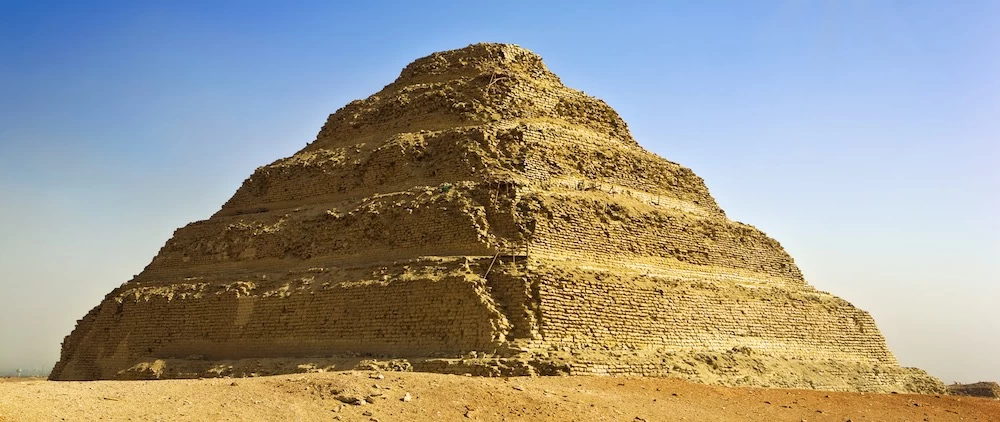
Step pyramid
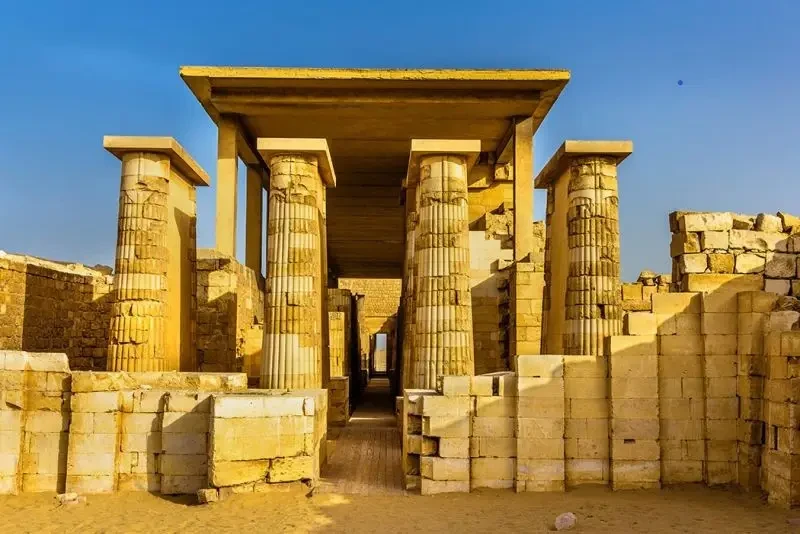
The Step Pyramid of Djoser, sitting in the ancient necropolis of Sakkara near Cairo, is, honestly, one of those standout achievements you just can’t ignore in architecture history. It was put together during the 27th century BCE for Pharaoh Djoser of the Third Dynasty and it’s often described as the earliest big stone build ever made. This exceptional monument shows a huge shift, from the older mastaba tombs, into this brand new type of royal burial design. It was planned by the famed architect Imhotep, and the Step Pyramid also brought forward innovative ways of constructing, methods that changed where Egyptian architecture would go next, and which also, in a way, helped pave the road for the later great pyramids.
Even today, the Step Pyramid of Djoser stays one of Egypt’s most important historical sights, and a common highlight on many Egypt Tours. Travelers can stroll across the old Sakkara landscape, take in the pyramid’s impressive mass, and slowly uncover the interesting stories tucked within its walls and corridors.
The Step Pyramid of Djoser: The Birthplace of Monumental Egyptian Architecture
In the ancient necropolis of Sakkara, the Step Pyramid of Djoser sits there looking, honestly, like a turning point in architectural history. It was built in the 27th century BCE for Pharaoh Djoser, and it is often described as the worlds first big stone construction endeavor. Now compared to the smooth-sided pyramids at Giza, this one has a more layered look, six stacked mastaba-like layers climbing upward, like it cannot decide to be simple or dramatic. That shape shows the ambition, the originality and the spiritual convictions of ancient Egyptian civilization. And it was designed by Imhotep, the famous architect, and after that, tomb design changed in a real way. Builders and pharaohs later on basically kept taking notes, generation after generation, sort of.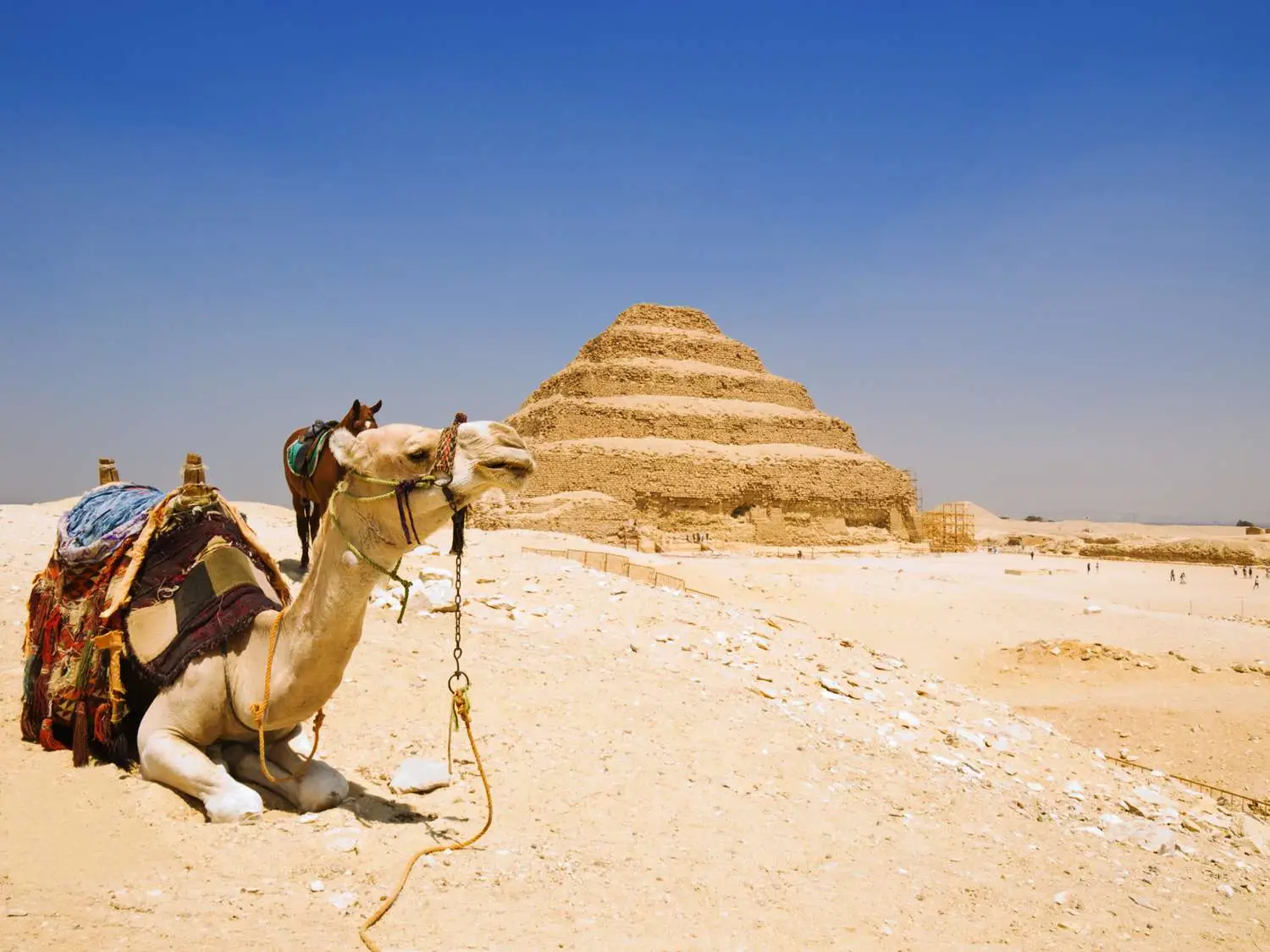
Exploring the Step Pyramid Complex and the Engineering behind it
When people visit, the Step Pyramid complex feels like a slow walk through both the religious world and the political world of old Egypt. Around the pyramid there are many striking structures: temples, courtyards, ceremonial halls, and decorated spaces with ancient reliefs and inscriptions. You can also go into the underground areas, chambers and connecting passageways beneath the pyramid. Those spaces, were made for royal burial rituals and for the pharaoh’s journey into what comes after life. The tight stonework, and the advanced engineering methods, make it clear that Egyptian craftsmen had a serious level of know-how. And it also underlines how architecture and spirituality were treated as the same kind of thing, not separate topics.
A Timeless Sign of Creativity and Heritage
Going on a visit to the Step Pyramid of Djoser feels like one of those rare times when everything sort of clicks together, history, architecture, and that wide , As one of the most remarkable Egypt Attractions, the Step Pyramid offers travelers a unique chance to explore the origins of ancient Egyptian architecture, quiet beauty of the Egyptian desert all at once. While you wander around the monument, you start noticing how the warm golden sands of Sakkara clash so nicely with the old limestone layers that have been there for thousands and thousands of years. The area around it seems to set the mood in a special way, so it’s easier to imagine what the ancient Egyptians were doing, and it also helps you grasp the size of their vision, honestly it can feel huge.
And it’s not just the outside that keeps people coming. The Step Pyramid keeps offering fresh clues thanks to archaeology, plus restoration work that continues on. Every so often, new findings at Sakkara bring more detail about construction know-how, royal customs, and even the way funerary ideas were shaped in that period. Because of that, the place stays like a vital reference point for both historians and regular visitors, who want to understand how one of the world’s biggest civilizations formed its architectural style and cultural identity, step by step.
Plus, even if people call it a royal tomb, it’s really more like a statement of human creativity, drive, and experimentation. The unusual layout changed the whole future of pyramid building and created a base for the grand monuments that showed up later. So today, it gives travelers a real chance to reach Egypt’s ancient heritage, and to see, up close, one of the biggest landmarks in the story of architecture.
Getting to know Sakkara’s Ancient Wonders and what still stays with us
Going to the Step Pyramid of Djoser in Sakkara feels like stepping into, well, the early chapter of Egypt’s big stone building tradition. And it’s not just the pyramid, but the whole quiet desert scene around it that makes the place seem kind of unreal. You can sense the imagination, the serious ambition and those engineering feats the ancient Egyptians had. The limestone body of the pyramid, the wide nearby complex, and the carefully set up ceremonial areas show how the builders turned what could have been a plain tomb, into something grand, and that somehow kept shaping architecture for centuries, more like thousands of years, after.
As you wander across Sakkara, you don’t just see a single structure. There are also the temple ruins, courtyards, and those underground sections that help explain how royal burials were done, and what people believed religiously in ancient Egypt. You’ll notice carved scenes, symbolic patterns, and the archaeological finds scattered around, and they keep bringing up fresh stories about pharaohs,priests, and craftsmen who all had their role in this famous monument. Sometimes it feels like the site is still talking, just slowly.
Today the Step Pyramid is still, basically, a lasting sign of human ingenuity and stubborn drive. Restoration work continues, plus archaeology teams keep looking for more evidence and new details about building methods and cultural customs. Because of its unusual architecture, historical importance, and honestly jaw-dropping desert landscape, the Step Pyramid keeps being this lasting location. You know, it kind of links modern visitors with one of the world’s biggest civilizations, even if you only saw it for a short while. And the whole place feels like it’s quietly saying something, even when your time is limited.














-(2)-webp.webp "Best Things to Do in Hurghada in 2026")








-webp.webp "Cairo Nightlife: Best Evening Activities")


-webp.webp "Giza Pyramids Balloon: Everything You Need to Know")















-webp.webp "Cairo & St. Catherine – 5 Days")