 en
en

Tutankhamun Tomb
The tomb of Tutankhamun is one of the most iconic discoveries in the world and a must-see in Luxor's West Bank. The tiny but invaluable tomb of Tutankhamun, the "Boy King" of Ancient Egypt, is housed within the iconic Valley of the Kings and offers insight into a king, or should I say Pharaoh, that helped reshape our knowledge of Ancient Egyptian history. Though this is not the largest tomb in the Valley of the Kings, when the tomb of Tutankhamun was opened in 1922, it was packed to the rafters with golden treasures, furniture and burial effects unlike anything previously discovered. It is one of the most researched Egypt sites and must be included in any Luxor tours or on board of Nile Cruises.
King Tut's Tomb: A Historical Revelation
In 1922, British archaeologist Howard Carter unearthed the tomb of King Tutankhamun in the Valley of the Kings in Egypt. It was one of the most remarkable archaeological findings ever and is celebrated around the world. Unlike most tombs in the valley, the tomb of Tutankhamun was almost perfectly intact as other tombs in the valley had been looted in ancient times.
Inside the tomb there were thousands of funerary objects, ranging from golden masks, jeweled chariots, chairs and ceremonial objects, giving a deep insight into the funeral practices and the lives of the ancient Egyptian royals. Immediately after this finding, Tutankhamun became one of the most well-known pharaohs in the world and is now a top search for "King Tut tomb Egypt", "Valley of the Kings discoveries" and "Egypt gold treasures museum".
Within the tomb: a small room with unparalleled wealth.
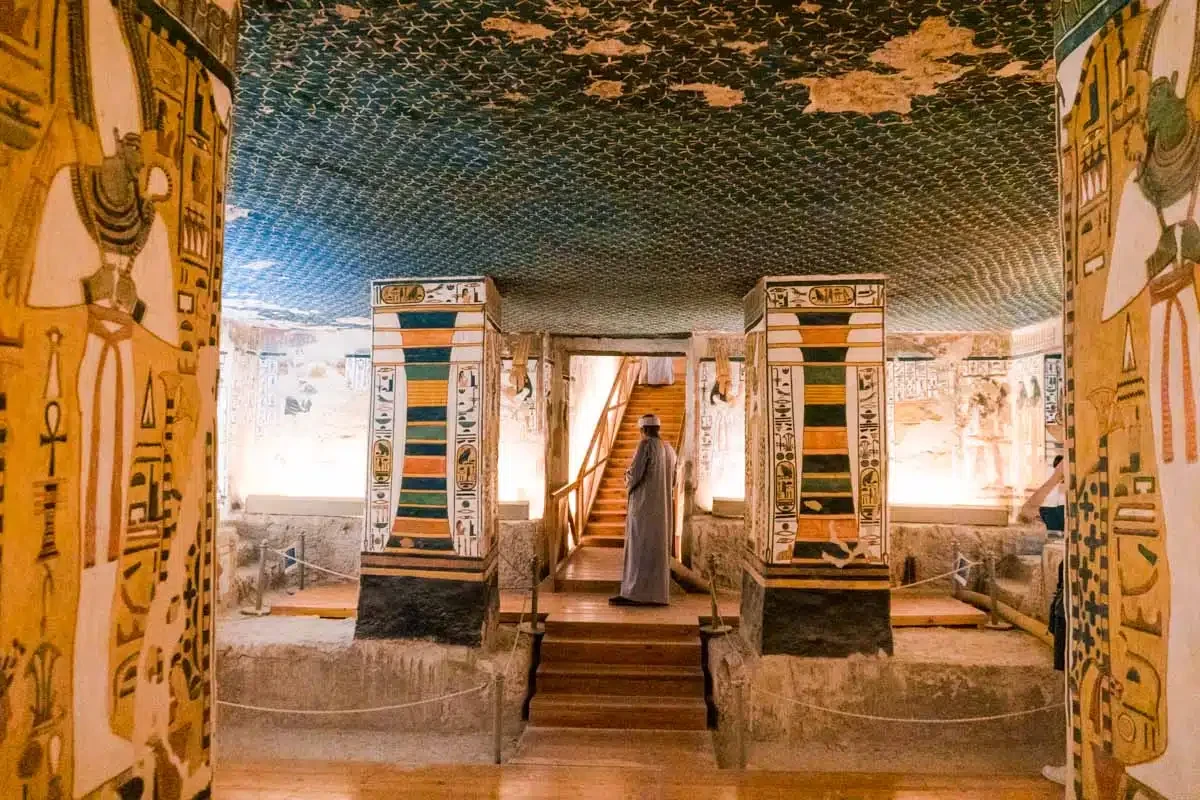
Tutankhamun's tomb is relatively small in comparison to other pharaohs' tombs in the Valley of the Kings, but is of high value as it was undiscovered for a very long time. The tomb is composed of a small corridor, an ante chamber, burial chamber, and the treasury. The famous golden mask of Tutankhamun was also found within the tomb, it is now displayed in the Egyptian Museum in Cairo. Religious scenes from the ancient Egyptian books of the dead are depicted on the walls of the burial chamber as to assist the young king on his journey into the afterlife. The items found in this tomb are very significant, changing the understanding of ancient Egyptian gold and fine crafts.
Tutankhamun: a boy king's enduring reign
Tutankhamun became pharaoh at a young age, and ruled in the 18 th dynasty, the length of Tutankhamun's reign was short and unremarkable, but thanks to the discovery of his tomb, he became one of the most famous rulers of ancient history. His tomb in the Valley of the Kings attracts thousands of people every year and will always remain one of the most important archaeological finds made in Egypt and one of the best reasons for an Egypt history tour, a Luxor West Bank day tour and ancient pharaoh trips.
Visiting Tutankhamun Tomb today: A trip highlight for all Luxor visitors
Today, one can visit King Tutankhamun's tomb with an entry ticket for the Valley of the Kings (an extra entrance fee is charged in most cases). Most of the treasures are now on display in the museum, but visiting the tomb will give an awesome experience, allowing people a sense of being there right after the discovery of Tutankhamun's tomb. King Tut's Tomb is in the Valley of the Kings on the West Bank of Luxor, one of the must-see destinations on an Egypt tour.













-(2)-webp.webp "Best Things to Do in Hurghada in 2026")






-webp.webp "Cairo Nightlife: Best Evening Activities")

-webp.webp "Giza Pyramids Balloon: Everything You Need to Know")