 en
en

Ramesseum
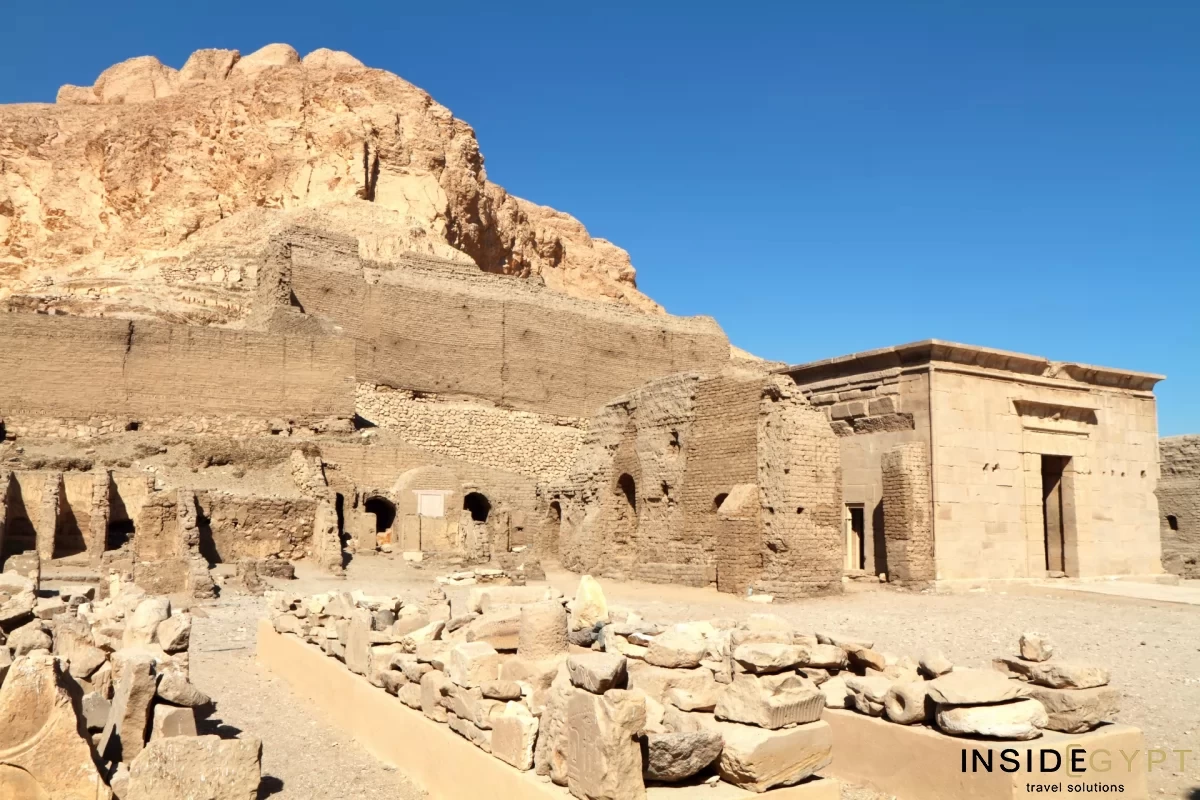
One of the most important of ancient monuments on the West Bank of Luxor, the Ramesseum is a central element of all Egypt Tours concentrating on history and archaeology. It is a large mortuary temple built by Ramses II to record his reign, military successes and his status as a divine being, located a little way from the Valley of the Kings. It is a spectacular reflection of ancient Thebes. The Ramesseum today is visited by tourists from all over the world who look on the huge collapsed stones, huge statues that have toppled and large stone fragments to see fine wall carvings illustrating historic scenes such as the Battle of Kadesh. Despite the passage of time and the wear and tear of centuries, the scale and pride of one of the most famous of all the pharaohs is apparent in the size of the ruins.
Experience the power and grandeur of the Ramesseum, the mortuary temple of Ramses II.
Explore the magnificent Ramesseum, one of the grandest mortuary temples in Egypt, which offers a fantastic window into the life and reign of one of ancient Egypt’s most powerful pharaohs – Ramses II. Situated on the west bank of Luxor, next to the Valley of the Kings, this phenomenal structure was built to commemorate Ramses II and to record his many achievements including his celebrated military conquests and divine status. Today, it stands as a testament to the strength of the New Kingdom and an important destination within the country's vast archeological sites that feature on most Egypt Tours.
Look up at the enormous statues and stunning art
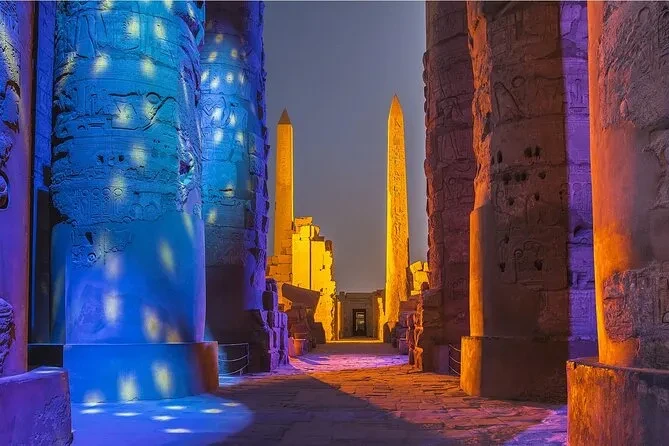
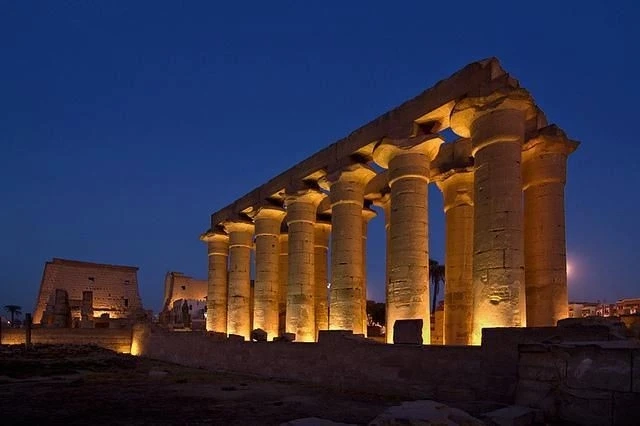
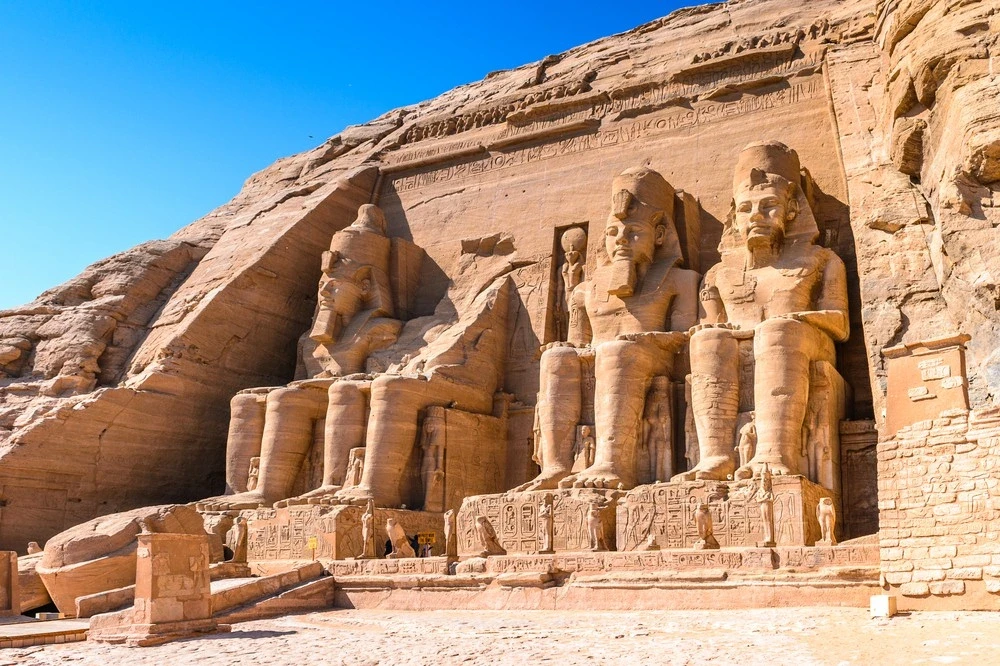
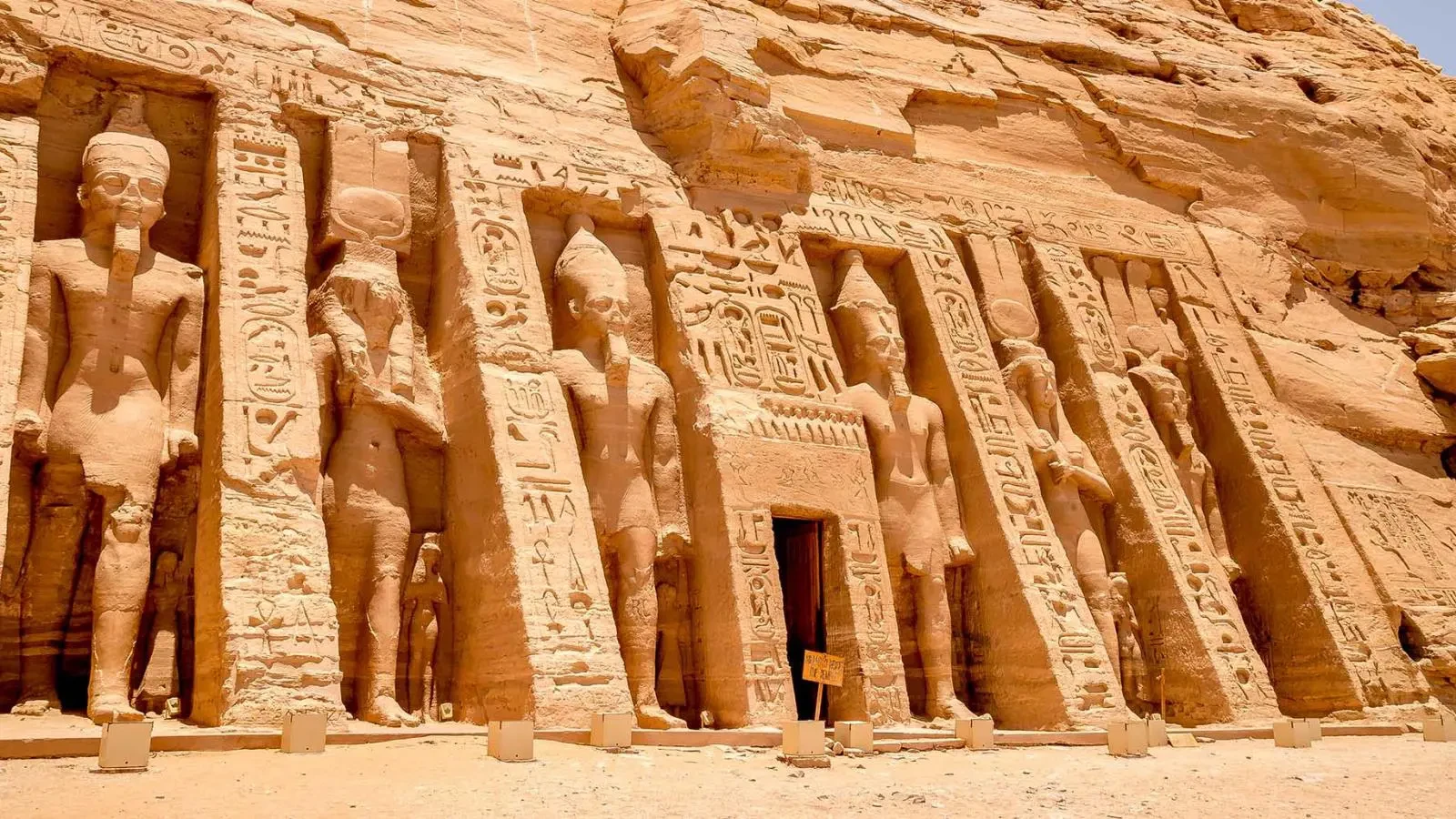
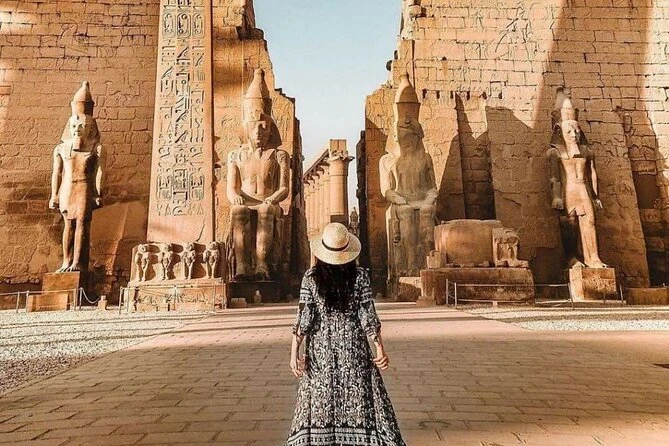
Walk around monumental statues, massive columns and the stunning hieroglyphic inscriptions, upon reliefs, that record, on the magnificent walls and statues of the temple, the notorious Battle of Kadesh. However much it may have deteriorated with time and the environment it can be seen how large this building was, as large parts of the art work remain in place and it is possible to appreciate the immense capability of ancient Egyptian engineers and craftsman during the glory of their culture. The temple is indeed a fantastic structure which the majority of visitors will be impressed by.
Ramesseum and Other West Bank Luxor Sites
The Ramesseum is an essential part of any exploration of the wonders of the West Bank at Luxor, a necessary destination for all those who seek an insight into the world of ancient Egyptian history and archaeology. The close proximity of the Ramesseum to the Valley of the Kings makes it perfectly situated in one of the richest archaeologically significant regions in the world; an area containing a myriad of temples, tombs and monuments all contributing a chapter in the tale of ancient Thebes.
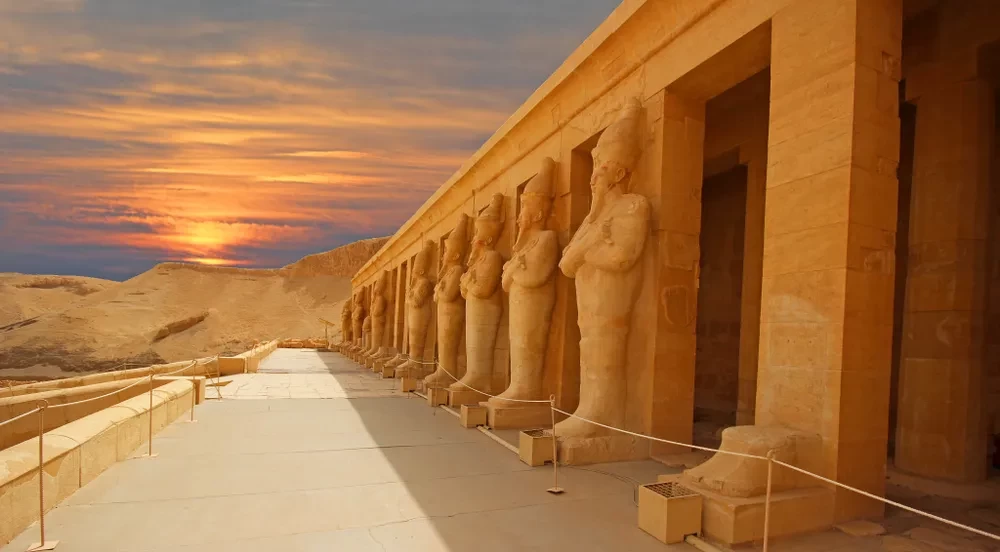
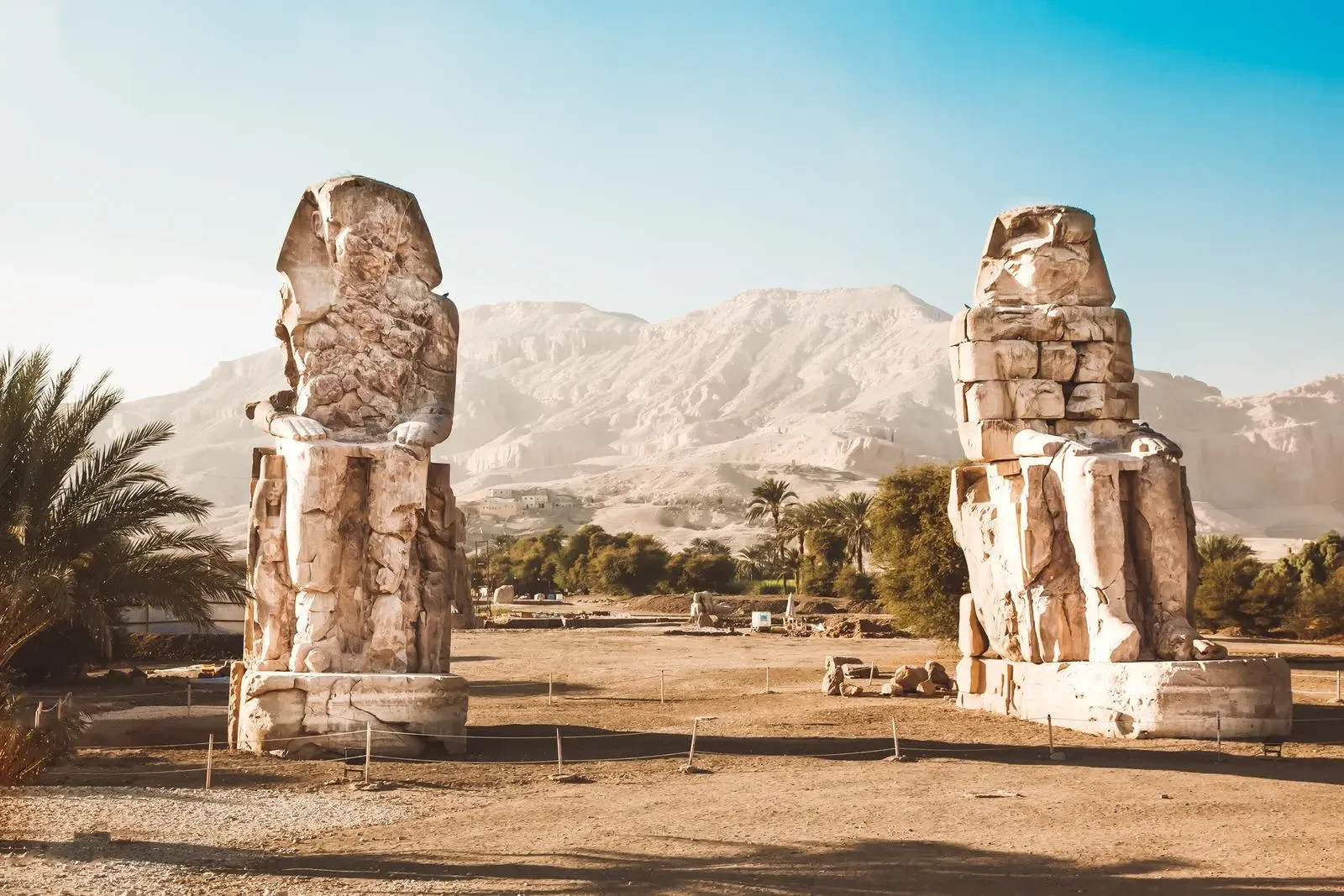
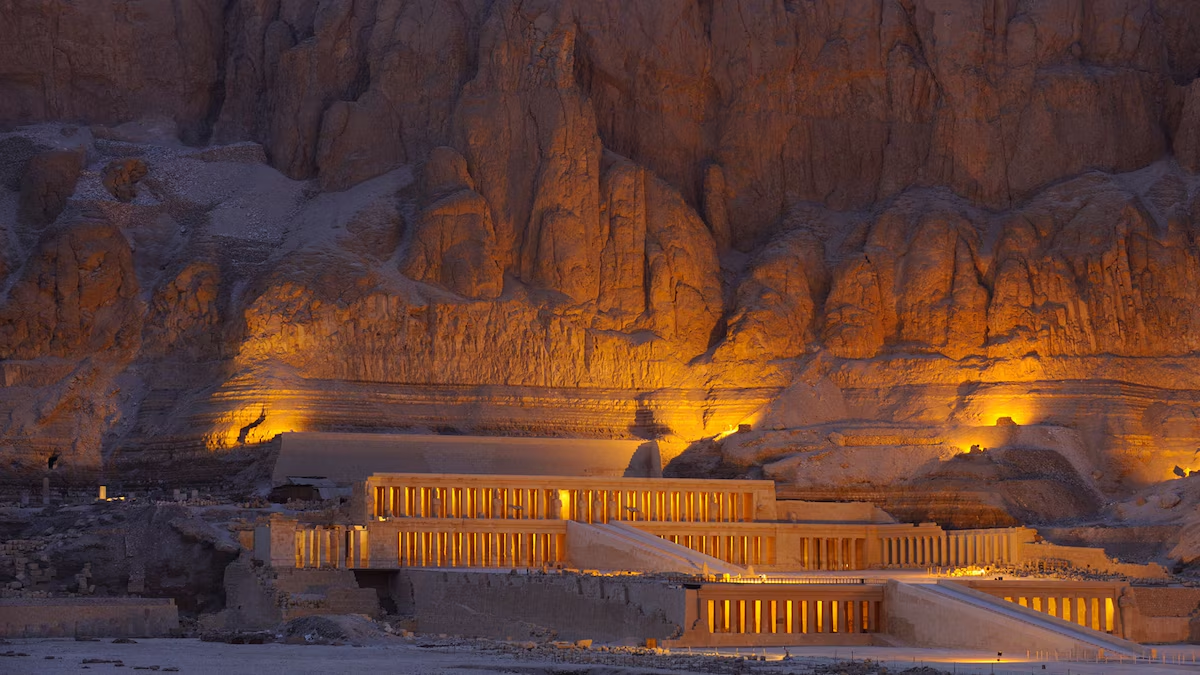
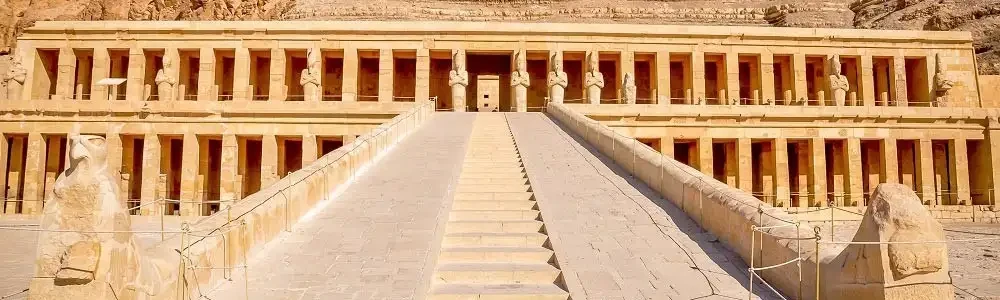
The Ramesseum can be easily combined with other well known West Bank monuments like the Temple of Hatshepsut and the Colossi of Memnon and together the temples represent a full exploration of the New Kingdom period in ancient Egypt.
Reasons to visit the Ramesseum
The Ramesseum is more than simply ruins-it is a vivid reminder of the glory of the Egyptian royalty and perhaps one of the more significant visits on your Egypt Tours itinerary. The tranquil nature of the site along with its historical significance and dramatic ruins, combine to make it a very satisfying stop for any traveler seeking the more genuine elements of a trip to Egypt away from the typical crowds. For anyone interested in ancient history, in taking great photographs, and in a stimulating experience,













-(2)-webp.webp "Best Things to Do in Hurghada in 2026")






-webp.webp "Cairo Nightlife: Best Evening Activities")

-webp.webp "Giza Pyramids Balloon: Everything You Need to Know")