 en
en
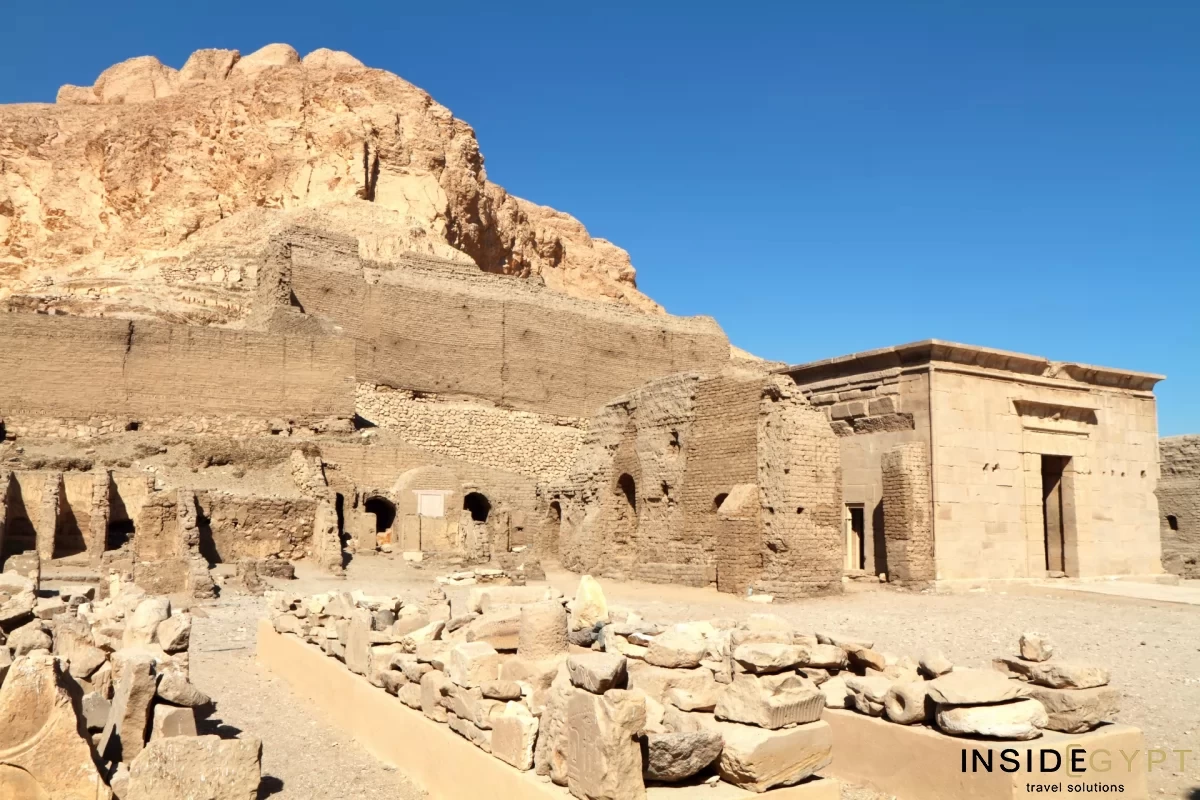
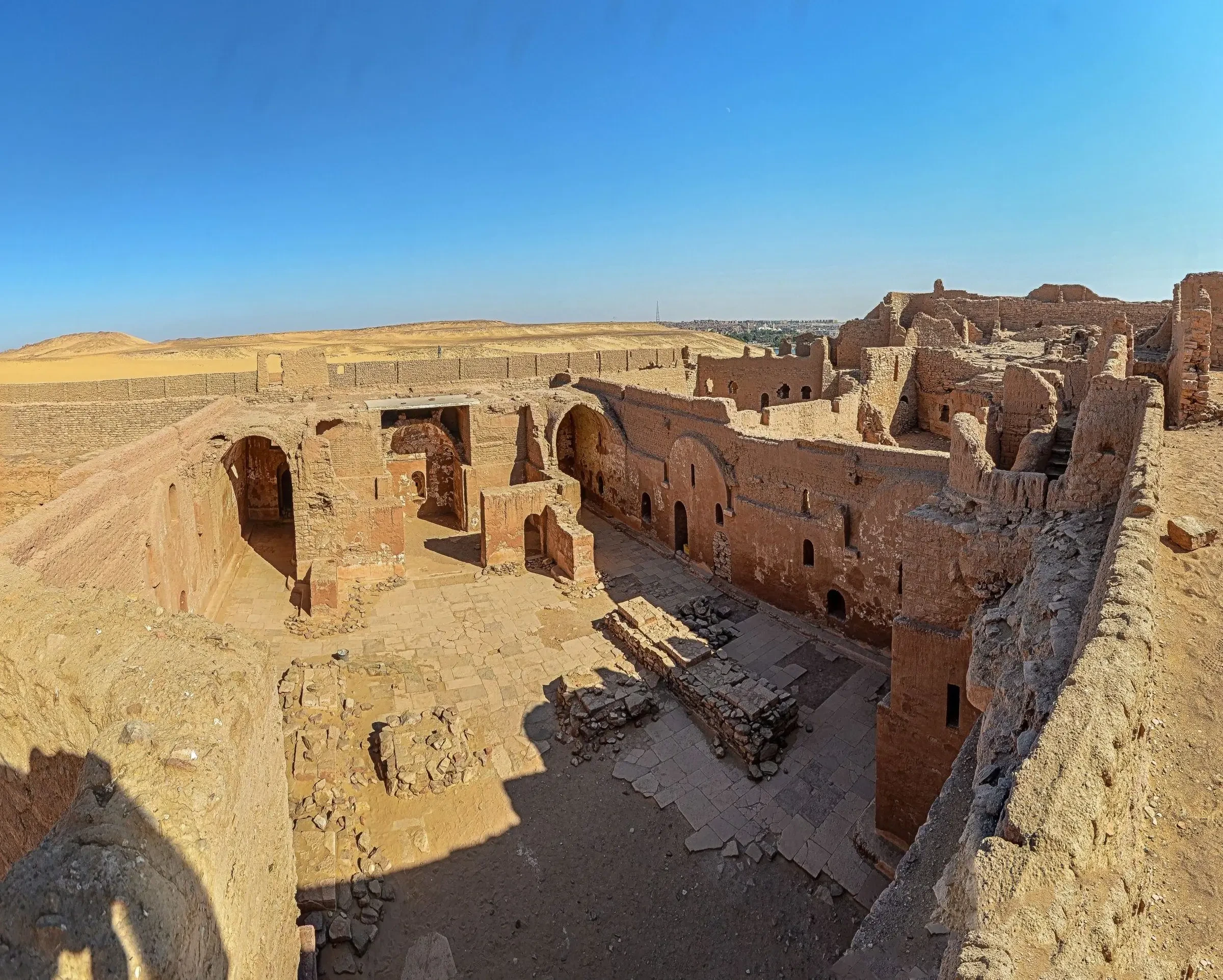
Deir el-Medina is a fascinating archaeological site in Egypt, situated on the west bank of the River Nile just opposite to Luxor. Deir el-Medina is different from spectacular temples and tombs as it was a complete village that was inhabited by the artisans and workers involved in the construction and decoration of tombs in the Valley of the Kings. Today, it is the only site where visitors are allowed to look into the day-to-day life of ancient Egypt's skilled laborers.
Deir el-Medina can be easily included in your West Bank of Luxor tour, culture tours of Egypt, and Nile cruise tour. If you are in the region and looking to find more than just the history of pharaohs then you must visit this site.
Deir el-Medina, the Home of the Royal Tomb Builders
Established during the New Kingdom period (c. 1500 BCE), Deir el-Medina was a purpose-built village for the artisans, painters and stonemasons that created the royal tombs in the Valley of the Kings and other nearby cemeteries.
The villagers were the finest craftsmen in ancient Egypt and lived in an ordered, structured community under direct employ of the state. As creators of hidden tombs for pharaohs, queens and nobles they occupied a relatively high social status in Ancient Egypt and lived well compared to many other ancient Egyptians workers. Archaeological finds in the form of letters on papyrus and inscribed ostraca (stone fragments) reveal much about their daily life and they lived a peaceful existence (except for when they had to strike to try and get paid-a dispute that seems to have occurred very early in Egyptian history).
What To See At Deir el-Medina: The houses, tombs and art work of the worker.
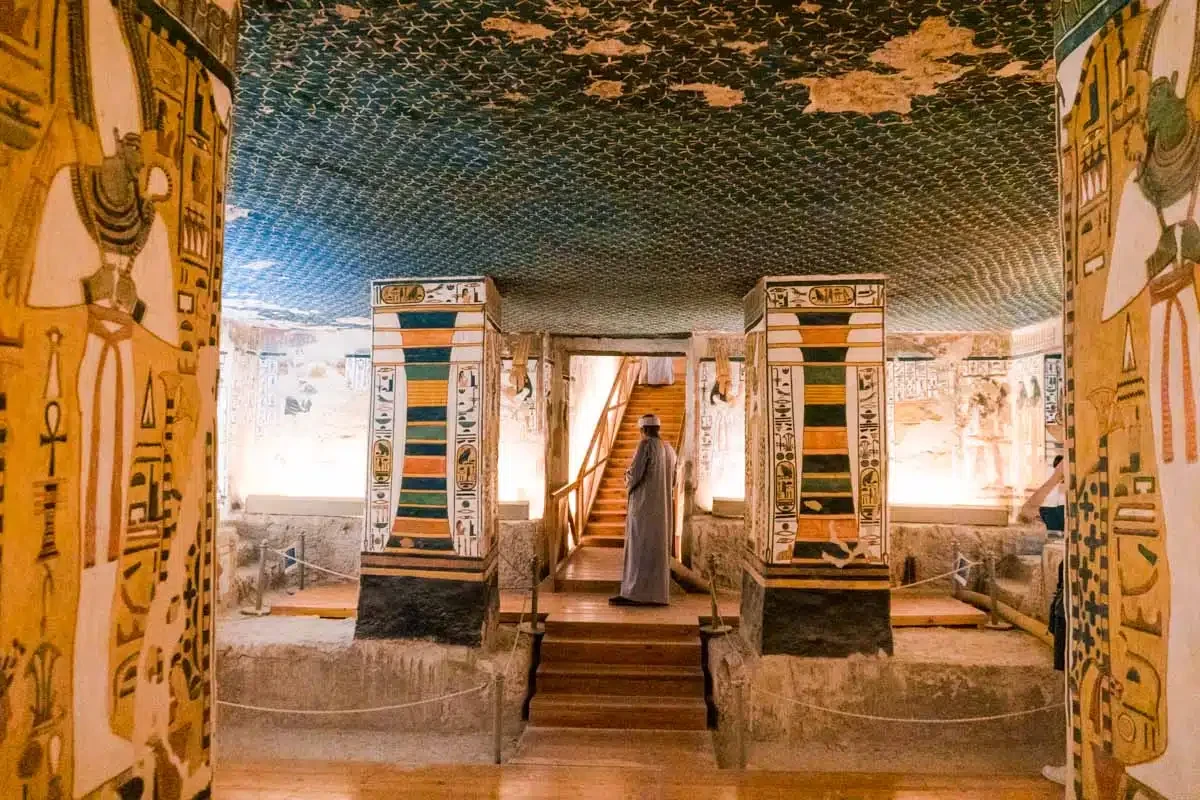
Here one is able to explore an actual ancient village laid out according to how the settlement was constructed so many thousand years ago; houses with small streets and shared facilities. Although not very large the village seems remarkably well preserved and gives an incredible idea of what the life of the average Egyptian was like millennia ago. The highlight of the site must surely be the beautifully decorated tombs of workers such as Sennedjem and Inherkhau which are decorated with scenes depicting daily life, agricultural pursuits and religion, painted with astonishing detail. Tiny shrines to local deities such as Hathor and Amun are scattered among the homes of the people who created these incredible monuments. It is the juxtaposition of the domestic environment and the stunning works of art which is truly special about Deir el-Medina.
Visiting Deir el-Medina, Getting there, Tips for Visiting and Location
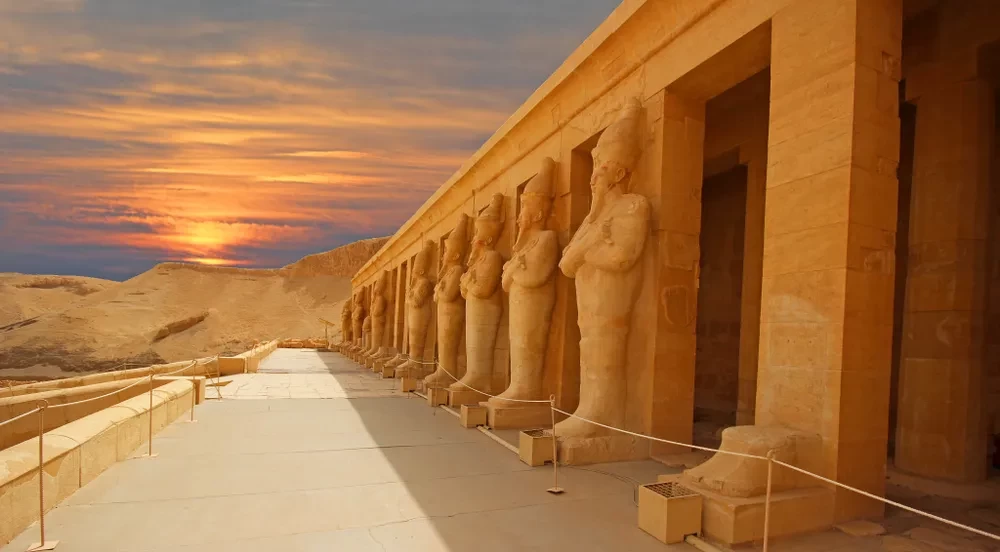
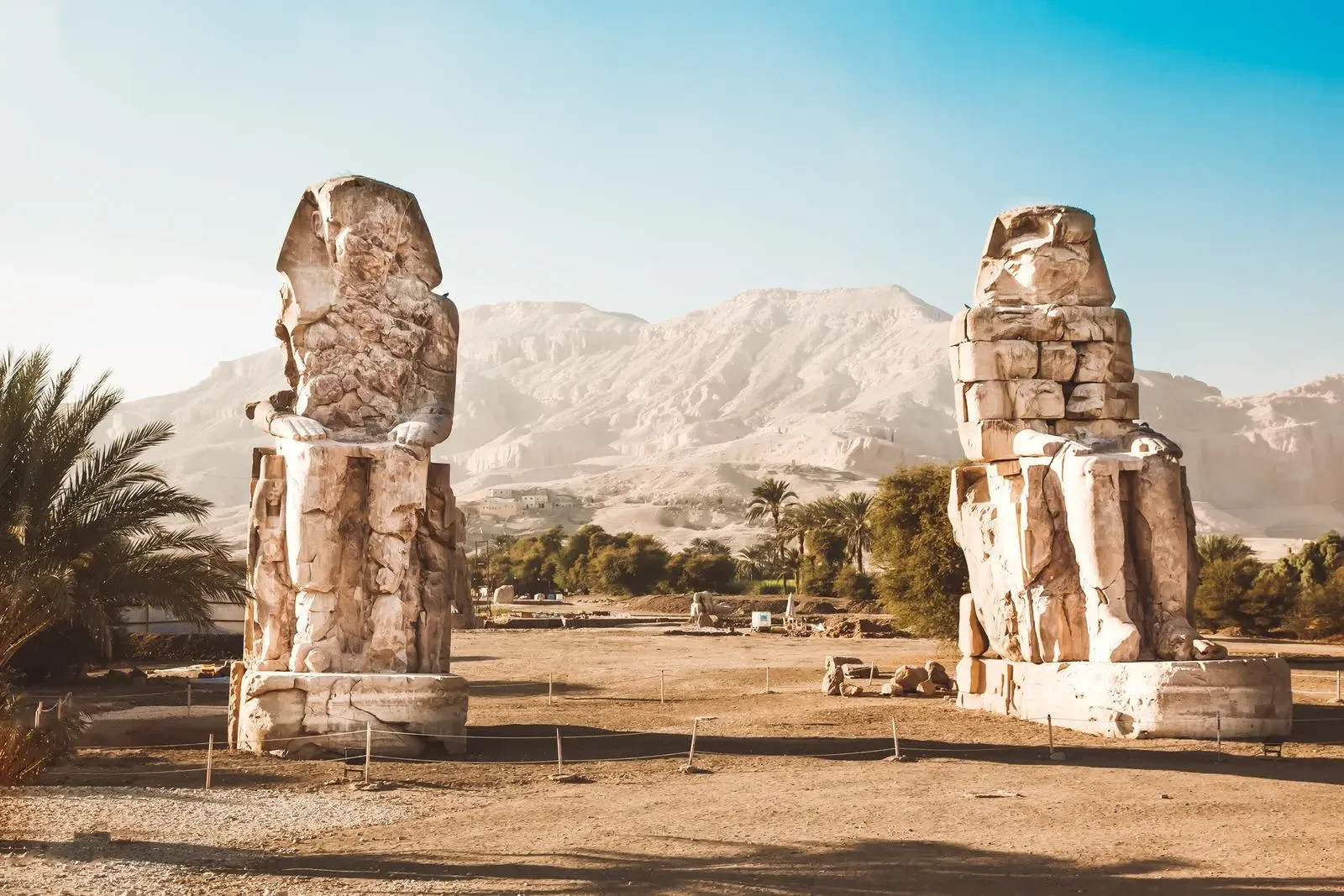
The site of Deir el-Medina is situated on the West Bank of the Nile and typically forms part of the guided tour along with The Valley of the Kings, The Temple of Hatshepsut and The Colossi of Memnon. It can easily be reached by vehicle from downtown Luxor. A visit between October and April would be ideal in terms of temperature and sun exposure. Early morning or late afternoon visits should be considered as peak hours can see large numbers of tourists, hot temperatures and reduced visibility for photographs within the tombs. Bring comfortable shoes and sun block; there is much walking and tight spots to navigate. A trained Egyptologist is strongly advised as the script on the walls needs an expert translator and the context and information conveyed is of an exceptional standard.
Why Visit Deir El Medina: A journey to ancient Egypt.
Deir el-Medina presents a unique view of the ancient world, different from the monuments that dominate Egypt's landscapes; instead of being surrounded by gods and kings, the visitor is shown how the common man lived, worked and worshiped. For those seeking to gain more insight into the ancient Egyptian way of life, an excursion to Deir el-Medina is highly recommended when planning your trip to Luxor.












-(2)-webp.webp "Best Things to Do in Hurghada in 2026")







-webp.webp "Cairo Nightlife: Best Evening Activities")