 en
en
Explore West Bank, Luxor – A Journey Through Ancient Egypt. If there's one part of Egypt that will leave you spellbound with its sheer history and scale, it has to be the West Bank of Luxor. This iconic area is located on the western banks of the River Nile and contains some of the most renowned landmarks of ancient Egypt, including royal tombs, majestic temples and fascinating archaeological sites that are thousands of years old.
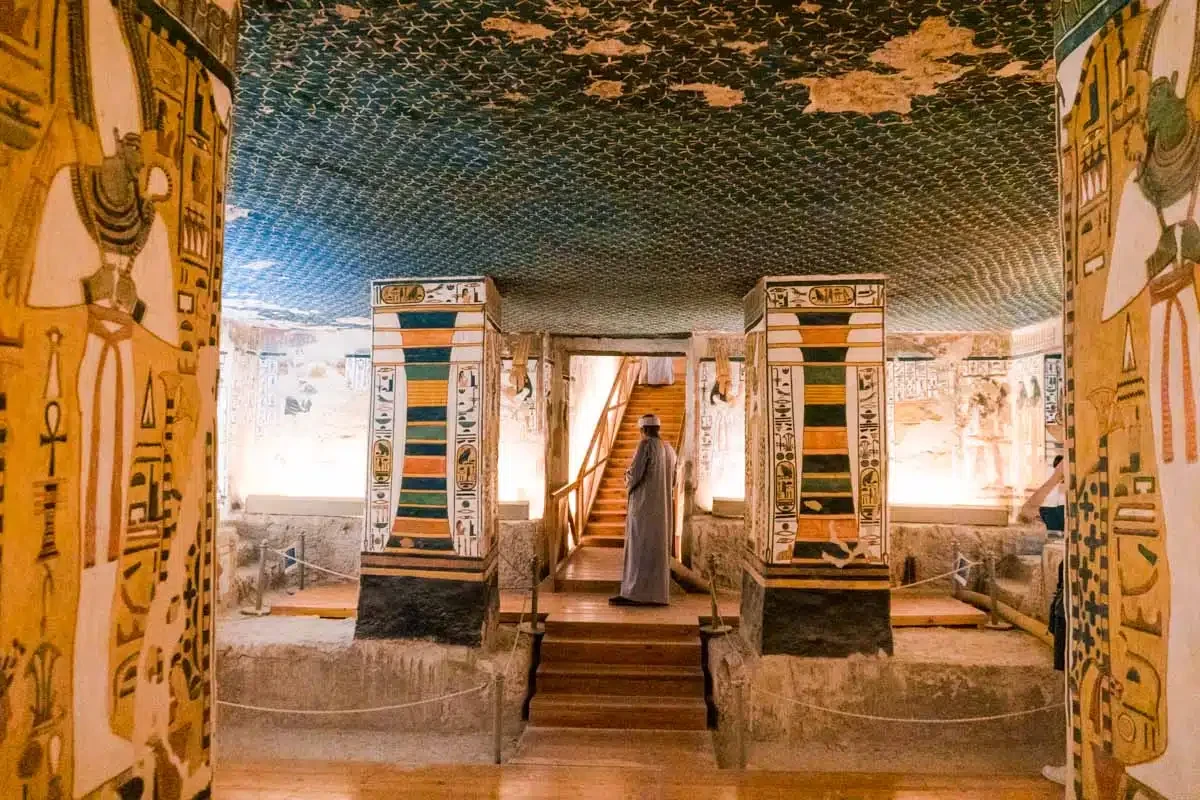
The Land of the Dead was originally the holy burial ground of pharaohs and nobles during the New Kingdom era. Since the ancient Egyptians believed the sun sets in the west and signals the journey to the afterlife, the tombs of ancient Egyptians were located in the West Bank. There are some impressive and most remarkable tombs in this area including the Tombs of the Valley of the Kings. When you take tours to Luxor, your visit to the west bank should not be missed. From the fabulous Tombs of the Kings and Hatshepsut Temple to the Colossi of Memnon and Medinet Habu Temple, all these sites show a picture of the splendor of ancient Egypt.
Why Is the West Bank of Luxor So Famous?
The West Bank of Luxor is among the top important archaeological places on the earth; it is filled with history since it preserves monuments of the ancient Egyptian civilization through temples, royal tombs, and religious monuments that were once the final resting place of pharaohs and nobles of Ancient Egypt. At this location, tourists will take a stroll through thousands of years of history in a single destination. Visiting the West Bank, you'll explore the Valley of the Kings, Temple of Hatshepsut, Colossi of Memnon, and Medinet Habu, some of Egypt's most iconic landmarks. That's why this remarkable destination is the highlight of many Luxor Day Tours and a must-visit stop on any Egypt Tours itinerary.
Top Attractions in West Bank of Luxor:
-
Valley of the Kings
The Valley of the Kings is by far the most visited site on the West Bank of Luxor, and indeed one of the world's most impressive archaeological sites. Set deep into the Theban Hills, the Valley of the Kings was the final resting place of the New Kingdom pharaohs like Tutankhamun, Ramses II, and Seti I. There are more than 60 tombs, most containing spectacular wall paintings and ancient inscriptions telling stories of Egyptian beliefs in the afterlife. An expedition into the legendary Valley of the Kings will give you a memorable peek into the riches, the power, and the artistry of the ancient Egyptians.
-
Temple of Hatshepsut
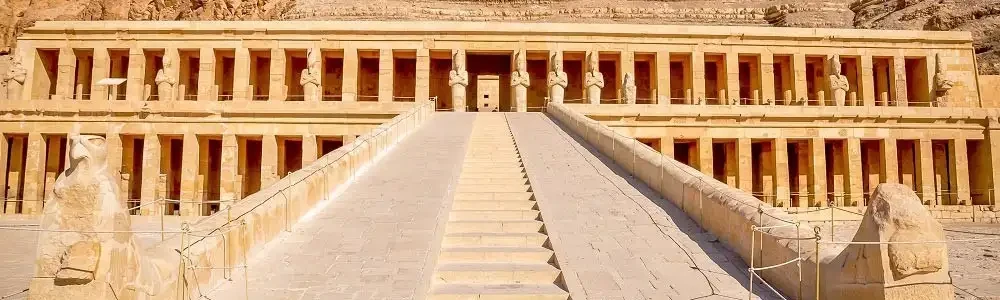
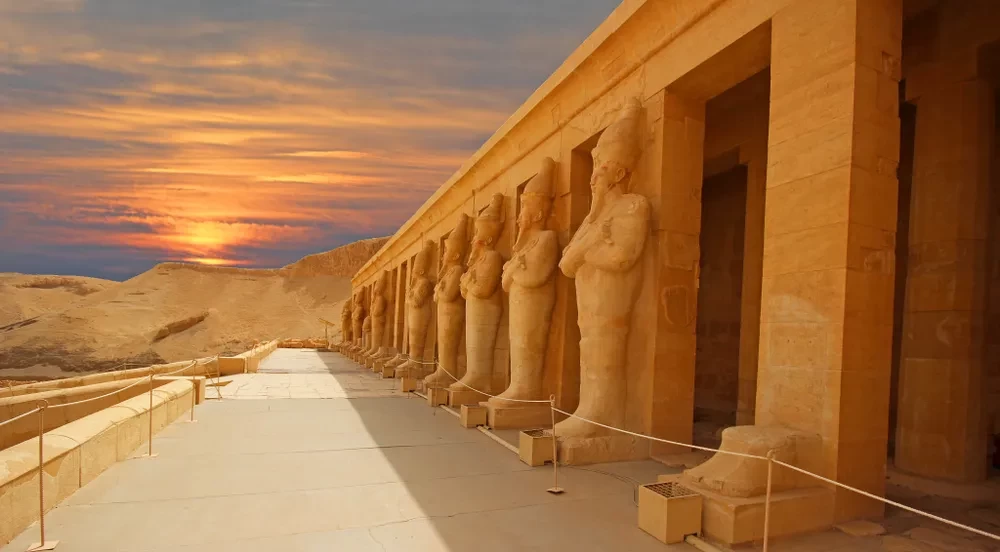
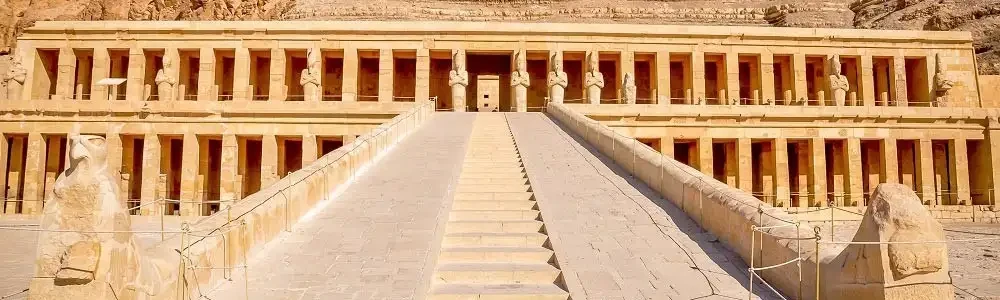
the Temple of Hatshepsut, undoubtedly one of the greatest Egyptian architecture wonders and New Kingdom achievements, is located on the cliffs of Deir el-Bahari and was dedicated to one of the only few female pharaohs, Hatshepsut. Its architecture and design were unique among all other Egyptian temples because it features several terraces connected by elegant colonnades, while the bas-reliefs on the walls narrate episodes from the reign of this remarkable pharaoh, including the famous trade mission to the Land of Punt.
Colossi of Memnon
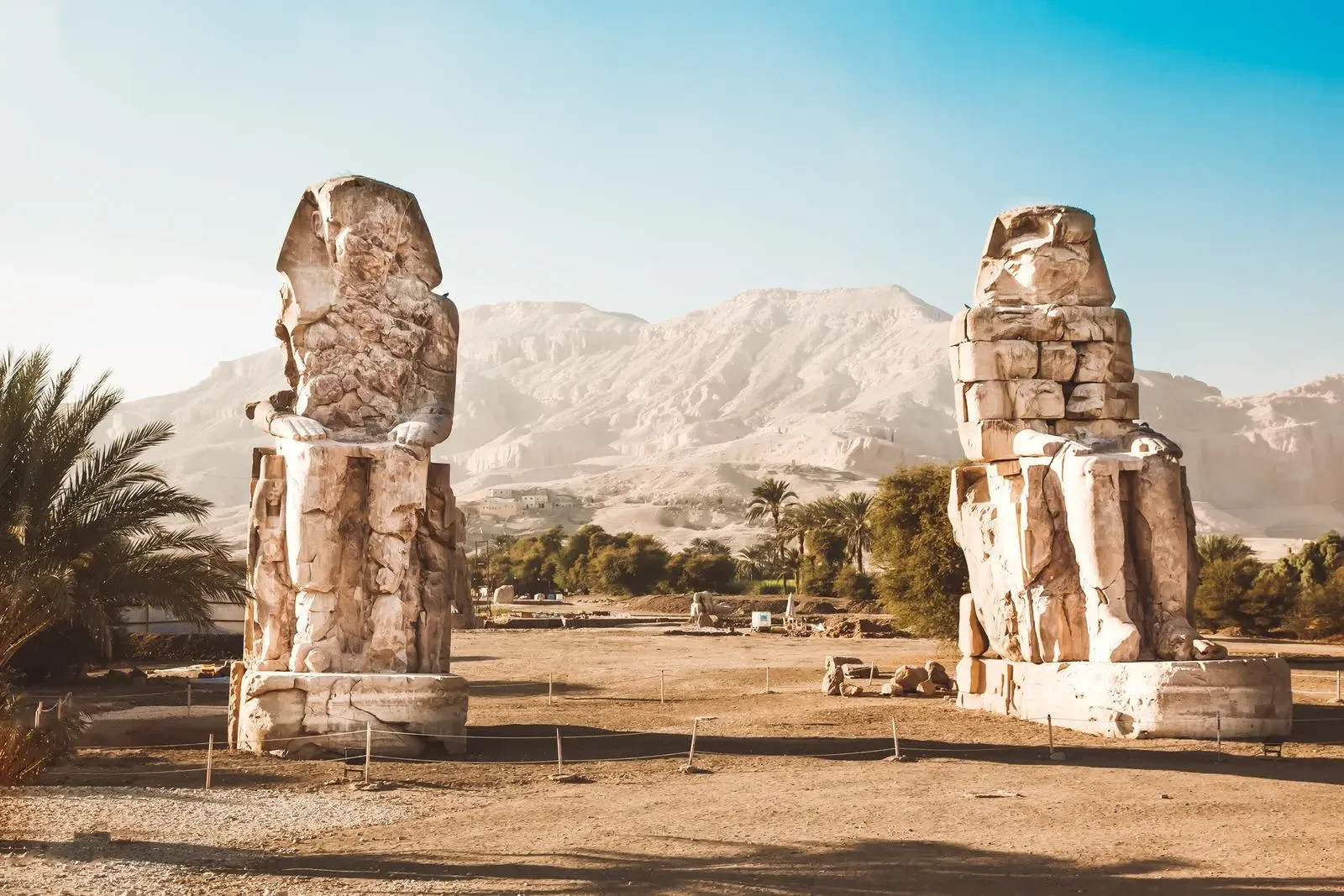
Colossi of Memnon These two gigantic stone statues of Pharaoh Amenhotep III have been located in the West Bank of Luxor for over 3,400 years. Standing guard at the gates of Amenhotep III’s mortuary temple (most of which has since been destroyed by the Nile River and by the time, these two statues have stood strong as a testimony of the splendor and might of Ancient Egypt, and today serve as one of the major attractions on the West Bank.
Best Time to Visit the West Bank of Luxor
The West Bank of Luxor is ideal in October – April where the weather is a much cooler more comfortable temperature to enjoy exploring historical sites. Many of these historical sites have ideal temperatures to tour temples and tombs in October through to April. For summer months begin your day on the West Bank early on as it will become quite hot around midday.
Travel Tips for Visiting the West Bank
- Head to the archaeological sites as early in the morning as possible to avoid the heat and the throngs.
- wear a pair of sturdy walking shoes, because you'll likely spend a good portion of the day visiting the monuments.
- Don't forget sunscreen, a hat, sunglasses and lots of water.
- Bring cash for purchases and tipping your guide.
- Follow the site rules – in particular, be mindful about photography in the tombs (it is not allowed in some).
- Opt for hiring a tour guide – you'll learn so much about the story of each building.














-(2)-webp.webp "Best Things to Do in Hurghada in 2026")






-webp.webp "Cairo Nightlife: Best Evening Activities")