 en
en
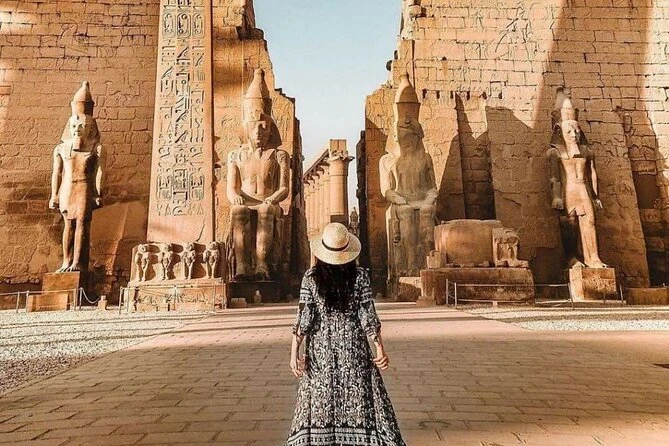
The East Bank of Luxor represents the historical and cultural core of the city, where ancient Egyptian civilization springs into vivid existence through a stunning collection of the most iconic structures in the world. Known as the Land of the Living in ancient times, the eastern bank of the Nile was the locus for religious festivals, royal events, and the daily activities of the people.
Currently, it remains the favorite sector among visitors in Luxor, as it houses a multitude of easily accessible and globally famous temples, museums, lively souks and many hotels and eateries.
If you have an inclination for ancient history or seek the finest sights of Luxor, then look no further than the East Bank to enjoy an unrivaled encounter. With landmarks from the vast Karnak Temple to the spectacular illuminated Luxor Temple, every attraction narrates its own timeless chronicle of Egypt's glory. Owing to its advantageous location, dynamic vibe and outstanding traveler amenities, it offers the perfect starting point to unveil the eternal wonder of Luxor.
Top Attractions on the East Bank of Luxor
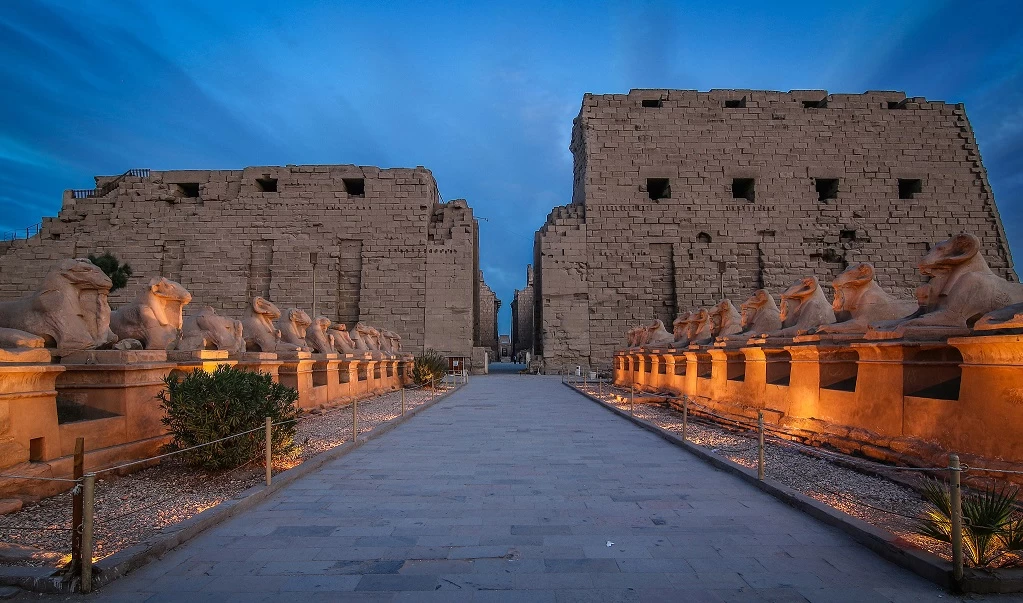
The East Bank of Luxor presents the most iconic of Egyptian archeological and cultural attractions, and a visit would simply not be complete. Whether looking for grandiose temples, or enthralling museums, each site offers something special to the viewer of the incredible legacy left behind by the Ancient Egyptian Civilizations. Starting at the magnificent Temple of Karnak, the largest religious structure ever constructed in the world, visitors will marvel at the imposing colons, sacrid lake and spectacular hieroglyphs that cover more than two millennia of history.
A stone's throw from there the impressive Luxor Temple is, for most visitors, even more magnificent after dark when its monument are artfully lit.
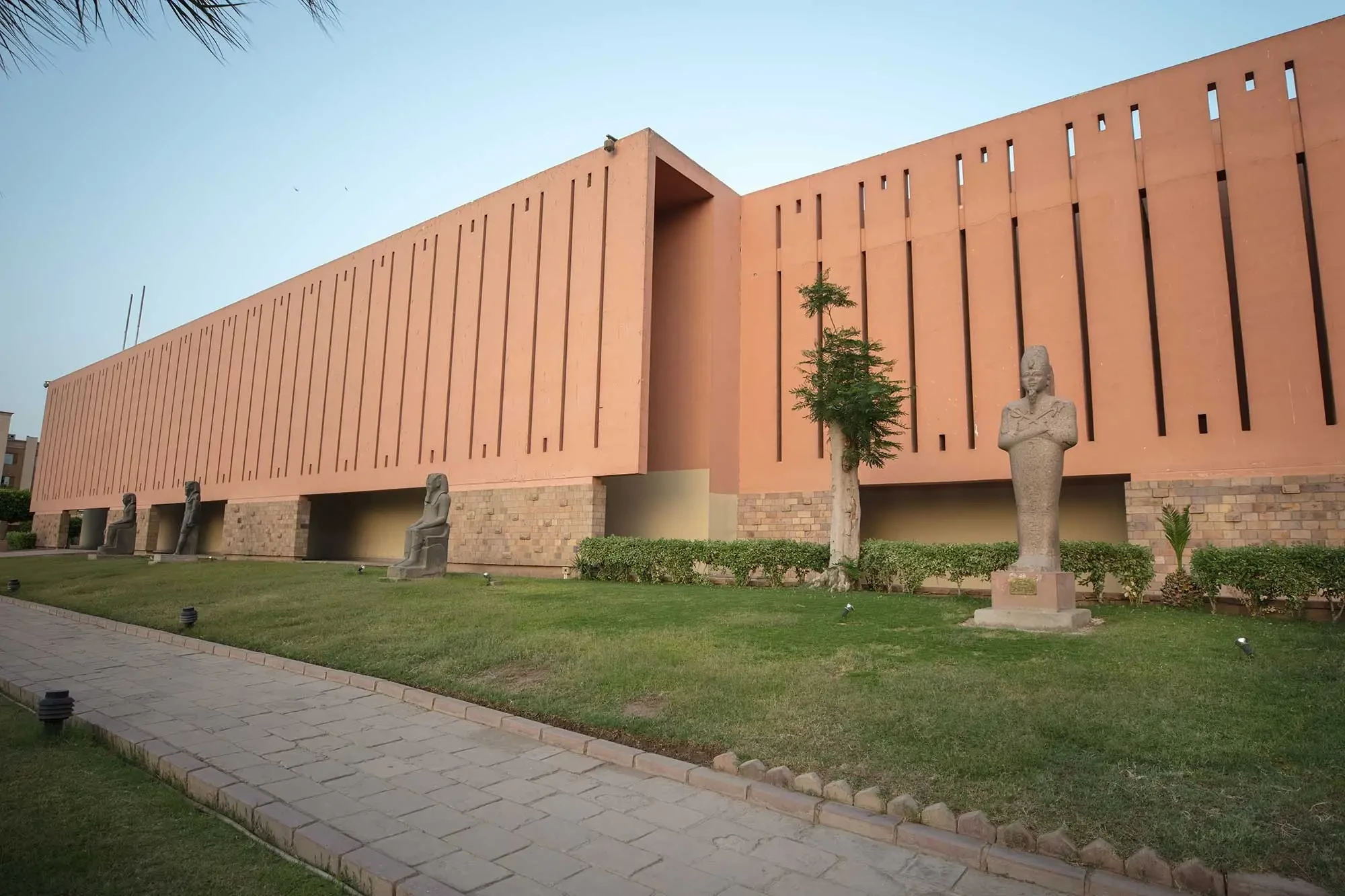
Linking these two marvels of architecture is the Avenue of Sphinxes, a majestic processional road that stretches from Karnak Temple to Luxor Temple, and contains hundreds of sphinxes; a journey along this ancient path is an archeological privilege. Those interested in the history and pharaonic history of Luxor can investigate the wealth of artifacts displayed in the Luxor Museum, including excellent examples of statuary, pharaonic royal possessions and excellent condition antiques, or experience an insight into the mysterious practices of one of Egypt's greatest legends in the Mummification Museum. Combining, the monuments on Luxor's East Bank create a world class tourism destination where no monument fails to shed yet another layer of glory onto Egypt's truly astounding heritage.
Best Things to Do on the East Bank of Luxor
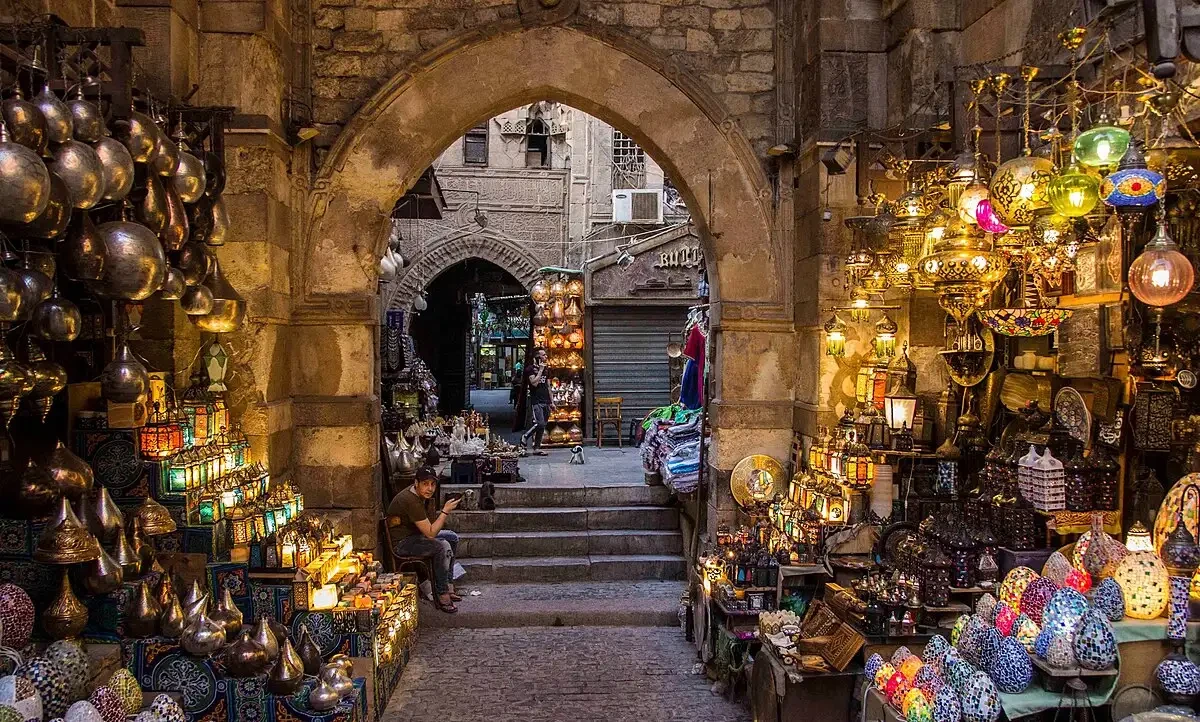
In addition to discovering its numerous well known attractions, the East Bank of Luxor has a myriad of unforgettable and cherished things to discover, giving you an immersion in the atmosphere of Luxor. Take a relaxing and enjoyable stroll along the Nile Corniche and gaze out at the stunning vistas of the river. Take advantage of browsing the traditional local souqs where you'll find authentic handmade souvenirs and gifts ranging from luxurious woven materials and unique handcrafted trinkets to aromatic spices. Restaurants and cafs range in variety, and whether you’re wanting to feast on local delicacies or sample international cuisines many restaurants provide excellent and romantic river views.
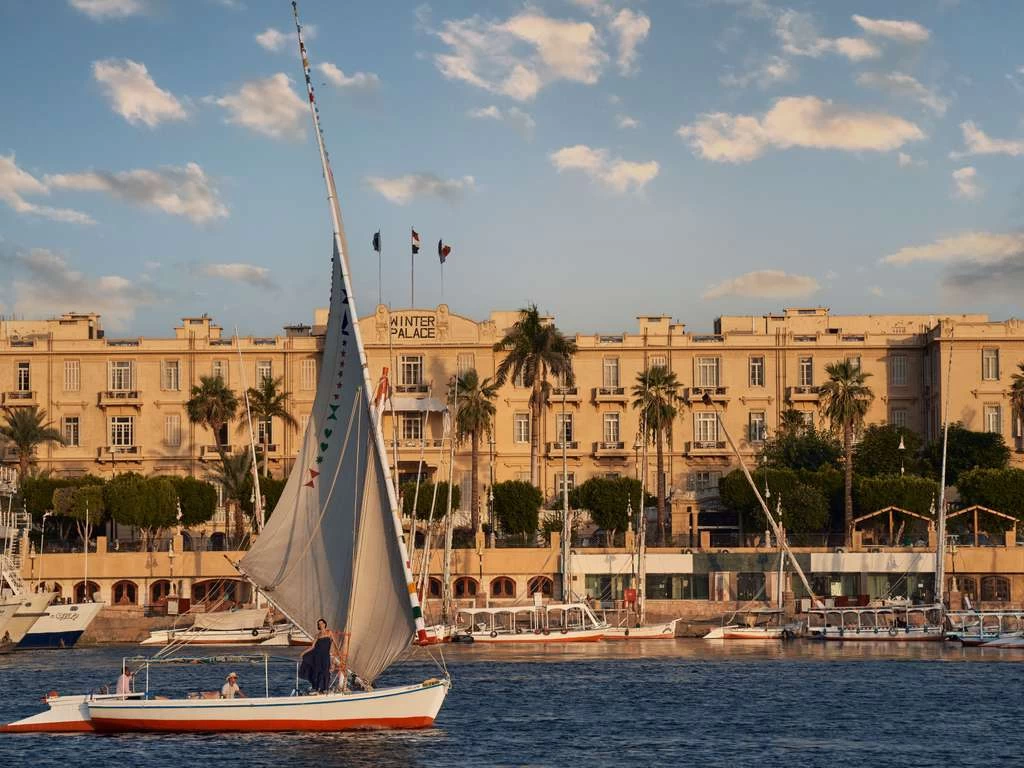
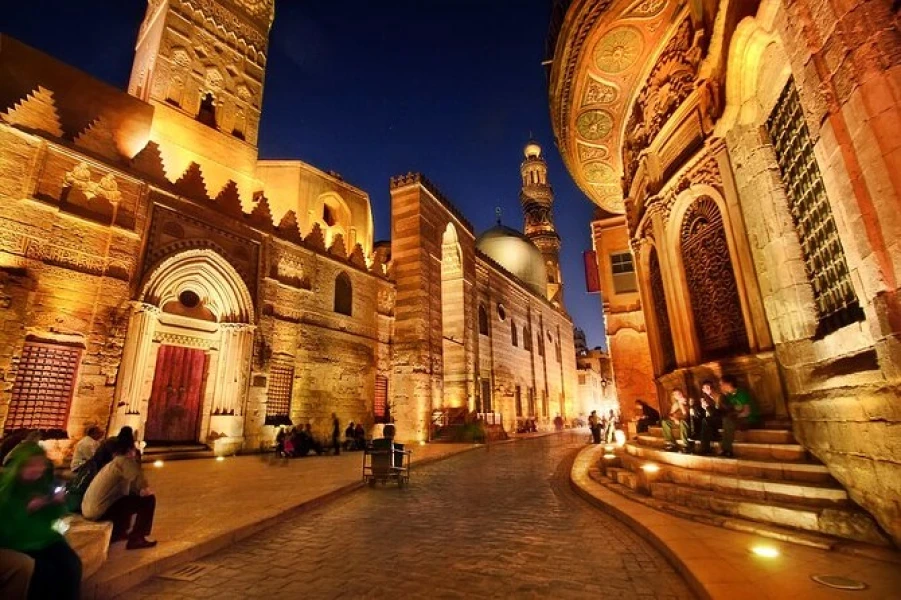
At nighttime the East Bank of Luxor becomes a bustling hub with vivacious, well lit and decorated streets full of happy people visiting the numerous open-air cafs in a delightful atmosphere. For the most memorable and enjoyable moments, hire an age oldfeluccaboat for a tour on the river at sunset, or book an enchanting horse and cart trip throughout the ancient streets of the town. Regardless of if your preferences are geared towards history and ancient cultures or simply soaking up the peaceful atmosphere along the river banks and perhaps treating yourself to some retail therapy, you can be sure that the East Bank of Luxor holds delights for all!
Where to Stay and Travel Tips for the East Bank of Luxor
The East Bank of Luxor is the preferred place to stay for many travelers, thanks to its central location and easy access to the city's most famous attractions. The area offers a wide range of accommodation options, from luxury hotels overlooking the Nile to comfortable boutique hotels and budget-friendly guesthouses. Staying on the East Bank allows visitors to reach major landmarks, restaurants, cafés, and shopping areas within minutes.
The best time to visit Luxor is between October and April, when the weather is cooler and more comfortable for sightseeing. To make the most of your trip, start your day early to avoid the midday heat, wear lightweight clothing and comfortable walking shoes, and carry plenty of water while exploring outdoor sites. Purchasing attraction tickets in advance and hiring a licensed local guide can also help you enjoy a smoother and more informative experience.
Whether you're planning a short getaway or a longer cultural adventure, staying on the East Bank provides both convenience and easy access to everything Luxor has to offer.
Best Time to Visit the East Bank of Luxor
You can visit the East Bank of Luxor any time of the year but if you wish to experience its open-air monuments then the best time is from October till April. During these winter months you can comfortably devote longer periods touring the numerous temples, museums and bustling bazaars without the stifling heat of the summer. It is a good idea to schedule visits to big sites such as the Karnak Temple or the Luxor Temple either in the morning or later in the evening, since you can be away from extreme heat and find ideal soft natural light for better photos. Booking in advance your accommodation or a good local guide is very advisable during high tourist season. So, you can enjoy visiting the East Bank during summer or in the cooler months of winter with a well thought out travel plan.














-(2)-webp.webp "Best Things to Do in Hurghada in 2026")







-webp.webp "Cairo Nightlife: Best Evening Activities")