 en
en
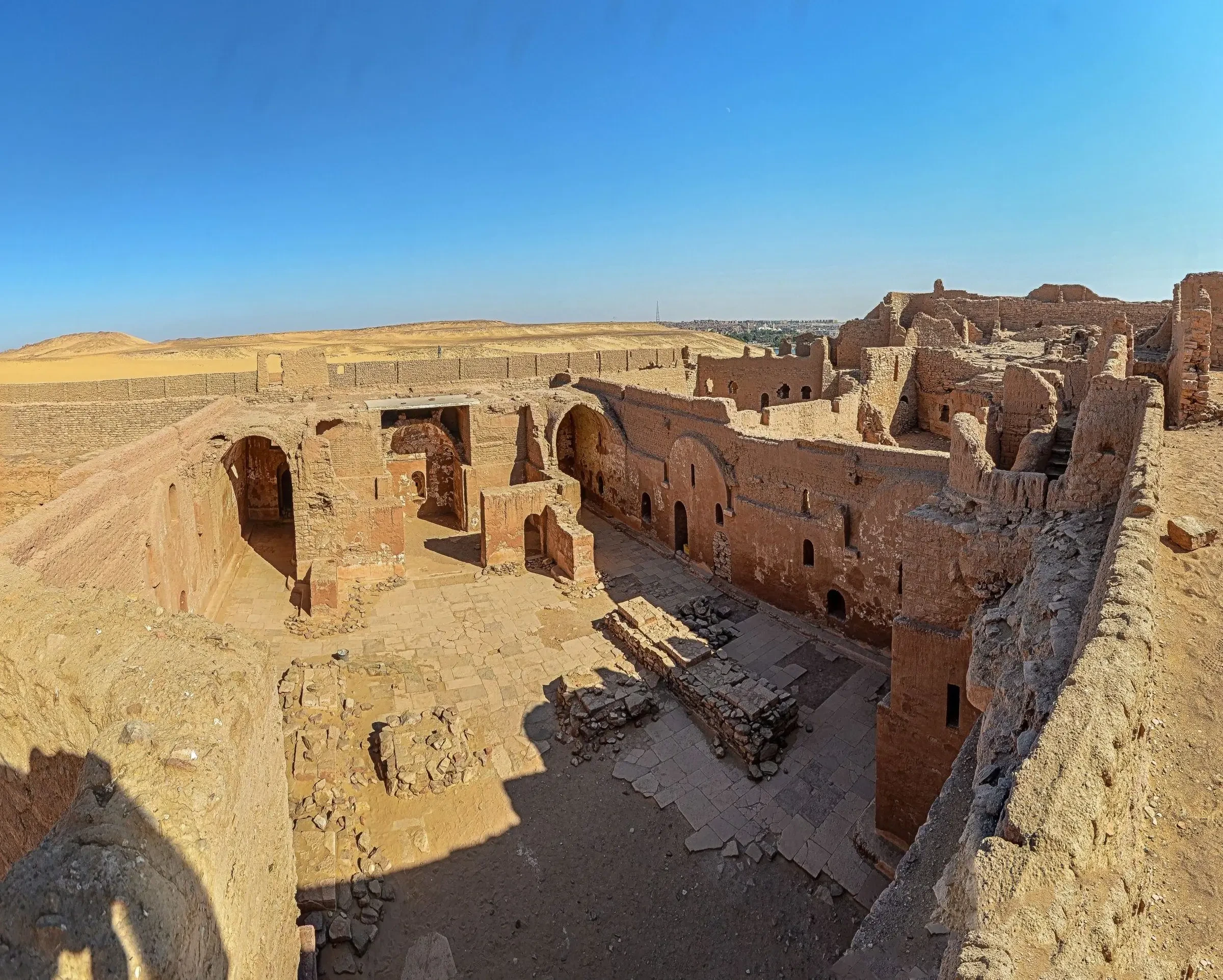
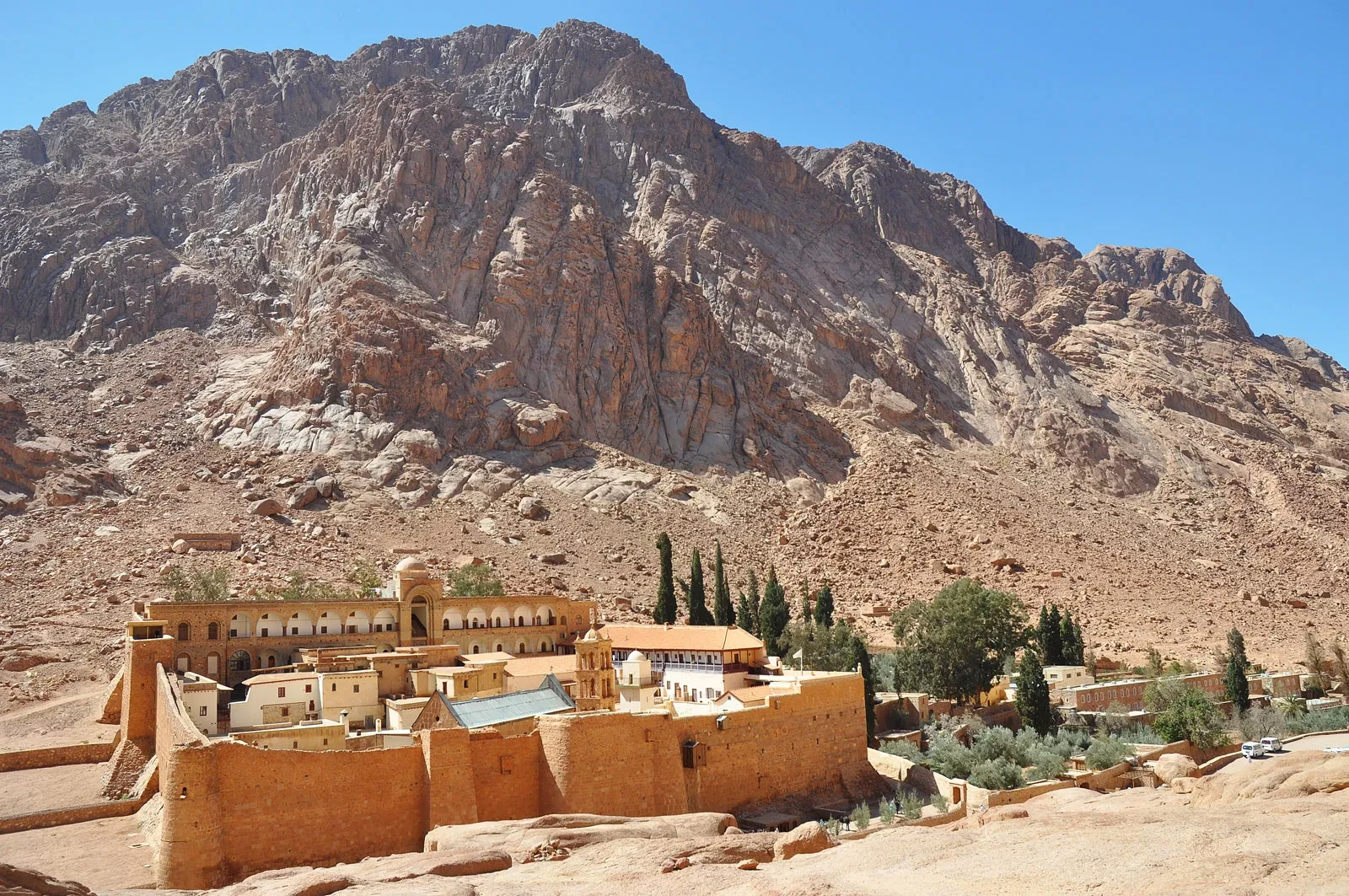
The monastery of Anba Hatreh, also known as the monastery of St. Simeon, is one of the main ancient monasteries surviving from ancient times in Egypt representing the Coptic architecture in design and application. Perched on the west side of the Nile, in close proximity to Aswan, this monastery dates back to the 7th century AD and showcases the burgeoning Christian monastics movements prevalent in Upper Egypt.
In the harsh isolation of the desert environment, this monastery was constructed as a spiritual safe haven that protected a holy fraternity of monks who were able to devotedly practice their religious studies and observances, apart from worldly distractions.
Its vast scale and amazing state of preservation make it truly remarkable. The thick protective walls, stone constructions, cloisters, chapels, and dwelling quarters provide the evidence of the pragmatic and religious aspects of the monastics’ lives, as they were shielded from bandit raids, yet provided with communal living and places for reflection. Consequently, it blossomed into a hub of Christian scholarship and austere practice, drawing ascetics from around the world. The remains currently present allow for a glimpse into the life of Egyptian monks in the early Christian period. This very unusual location means it’s an extremely common place for an overnight or a quick visit during an Egypt tours, for example with travellers wanting to visit sites and explore the landscapes. You have to make your way there, which requires crossing the Nile on a boat and walking or riding on a camel through the desert.
About St. Simeon Monastery -The Early Christian Hermitage In Egypt
In the west of the Nile River, a short ride from the bustling city of Aswan, one of Egypt's most impressive early Christian archaeological sites is hidden from the modern eye. St. Simeon Monastery, an early Christian monastic site which dates from the 7th century AD, stands as a monument to the unique spirit of early Coptic monasticism in Egypt.
Built during the time of rapid spread of monasticism in Egypt, in an effort to give the devoted souls a solitary place of meditation away from society andworldly affairs.
The ruins today stand as the greatest example of early Egyptian Christianity in a country that was, historically speaking, the spiritual center of the world.
St. Simeon Monastery Architecture - The Ancient Desert Stronghold
The design of St. Simeon Monastery, like the very idea of it, centers on two main factors, religious devotions and survival in the extreme climate of the Egyptian desert. The monastery is constructed in the design of a monastery fortified monastery that protected its residents from the desert conditions and desert raiding.
The building's thick walls are constructed out of mudbrick, with many architectural remnants within, including courtyards, cells for monks, chapels and storing facilities.
While the monastery's stones are centuries old, most of its structures are remarkably preserved and offer a wonderful insight into early Christian monastic communities.
The Significance Of St. Simeon Monastery In The History of Coptic Christianity
St Simeon’s was vital to the emergence of Coptic Christianity and a larger system of monasticism throughout Upper Egypt at the time of the Late Roman and Early Byzantine Empires. While Christianity became a flourishing and established religion throughout Egypt at that period, St. Simeon helped organize and anchor monastic communities who chose to isolate themselves from ordinary life along the banks of the Nile.
It was, to be sure, a monastery: a center where life and worship had a clear form and direction, devoted to the rigorous practice of Christian observance.
The monks of St Simeon’s also came to epitomize for later generations the dedicated Christian striving for complete and utter devotion to God, withdrawn from the social and political life of urbanized Egyptian society. As such, their devoted spiritual lives served as a crucial example and stimulus for the rest of Coptic Christian monasticism in the decades and centuries which followed their settlement. The monks of St Simeon’s followed an example of severe asceticism, as would have been typical of early Coptic Christianity. They adhered to a regular routine of daily prayer, fasting, study and labor to preserve spiritual discipline and purity of body and soul.
The remoteness of their desert setting undoubtedly lent itself to this monastic discipline, forcing them to depend on spiritual endurance and fortitude, for instance.
They were thus committed to an intensely prayerful lifestyle, with few comforts; for most monks this was a life confined within their own solitary cells, only gathering together for prayer and for certain necessary tasks.
Visiting St. Simeon Monastery -A Travel Experience Through History And Nature in Aswan
St. Simeon monastery on the west bank A trip to the far-flung, and decidedly secluded, St. Simeon monastery. of the Nile opposite Aswan provides visitors with a truly distinctive travel experience that offers an adventure to reach this secluded wonder. Unlike other attractions, St.
Simeon is removed from the city’s bustle; its isolated setting maintains the spiritual aura that permeates this ancient retreat, the perfect stepping stone back in time.
The trip itself, part of the adventure to the remote monastery, enhances its magic.
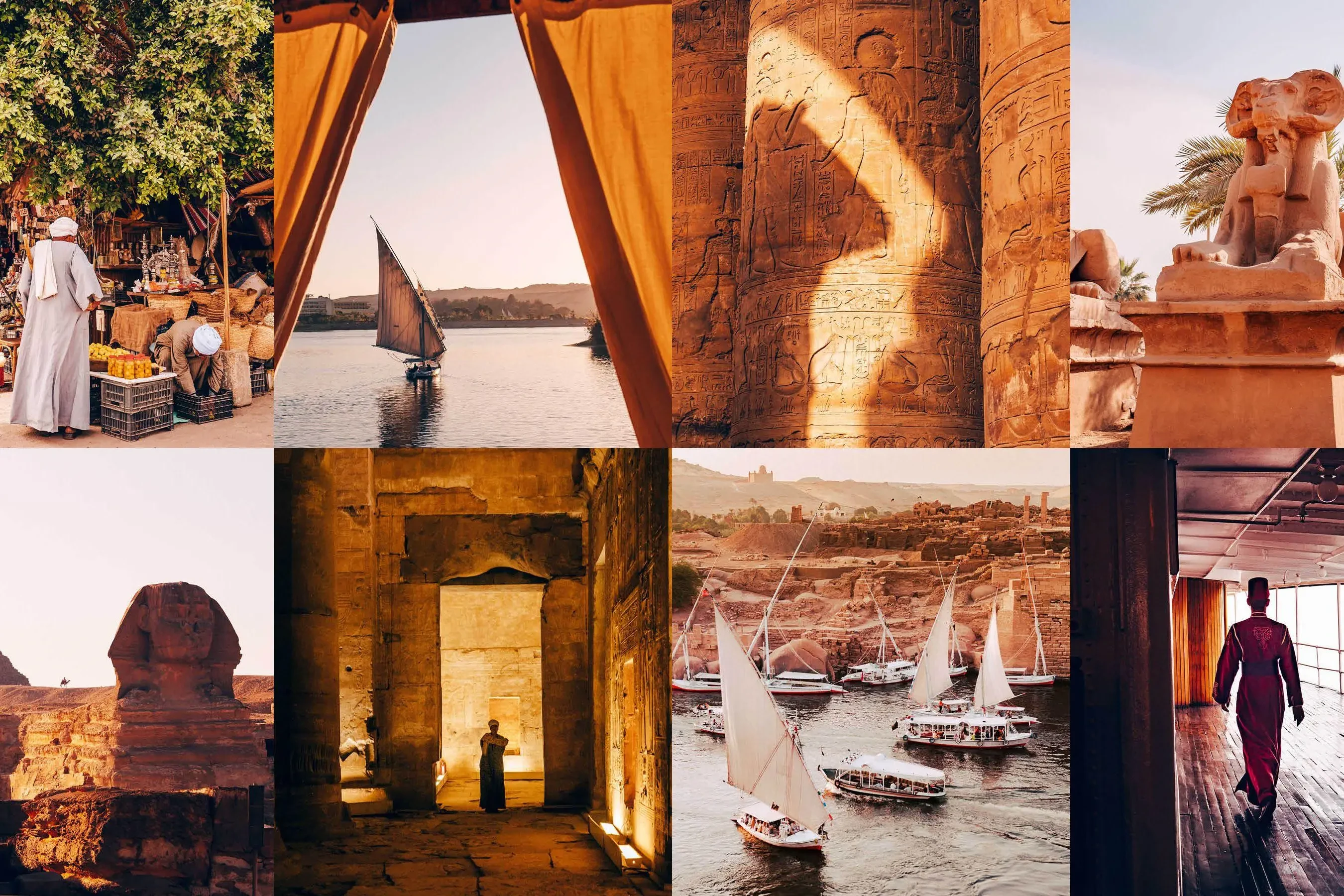
To visit St. Simeon Monastery, travelers usually take a small boat trip across the Nile to the west bank, enjoying the beauty of Aswan from the water before they disembark on the ancient land where they embark by camel or horse, tracing sand routes of a thousand-year past. This blend of aquatic passage and land journey on ancient paths offers an experience of stepping back to time of monastic life and the history that took shape here, and visitors can truly experience the monks’ world of peaceful self-containment. The very travel journey alone is part of the wonder and the historical context of the Monastery.
Many travelers combine a visit to the St. Simeon Monastery with tours to other archeological and cultural sites in Upper Egypt, usually including Aswan’s key historical gems. The surrounding deserts offer remarkable and expansive views from atop rocks near the monastery of the Nile and across the river towards the Aswan region, providing striking contrast to the tranquility of the desert with the vibrancy of the river on this visually spectacular tour.














-(2)-webp.webp "Best Things to Do in Hurghada in 2026")





-webp.webp "Cairo Nightlife: Best Evening Activities")