
 English




























































London--°
Checking the sky...Why is the Mosque of Muhammad Ali famous in Cairo?
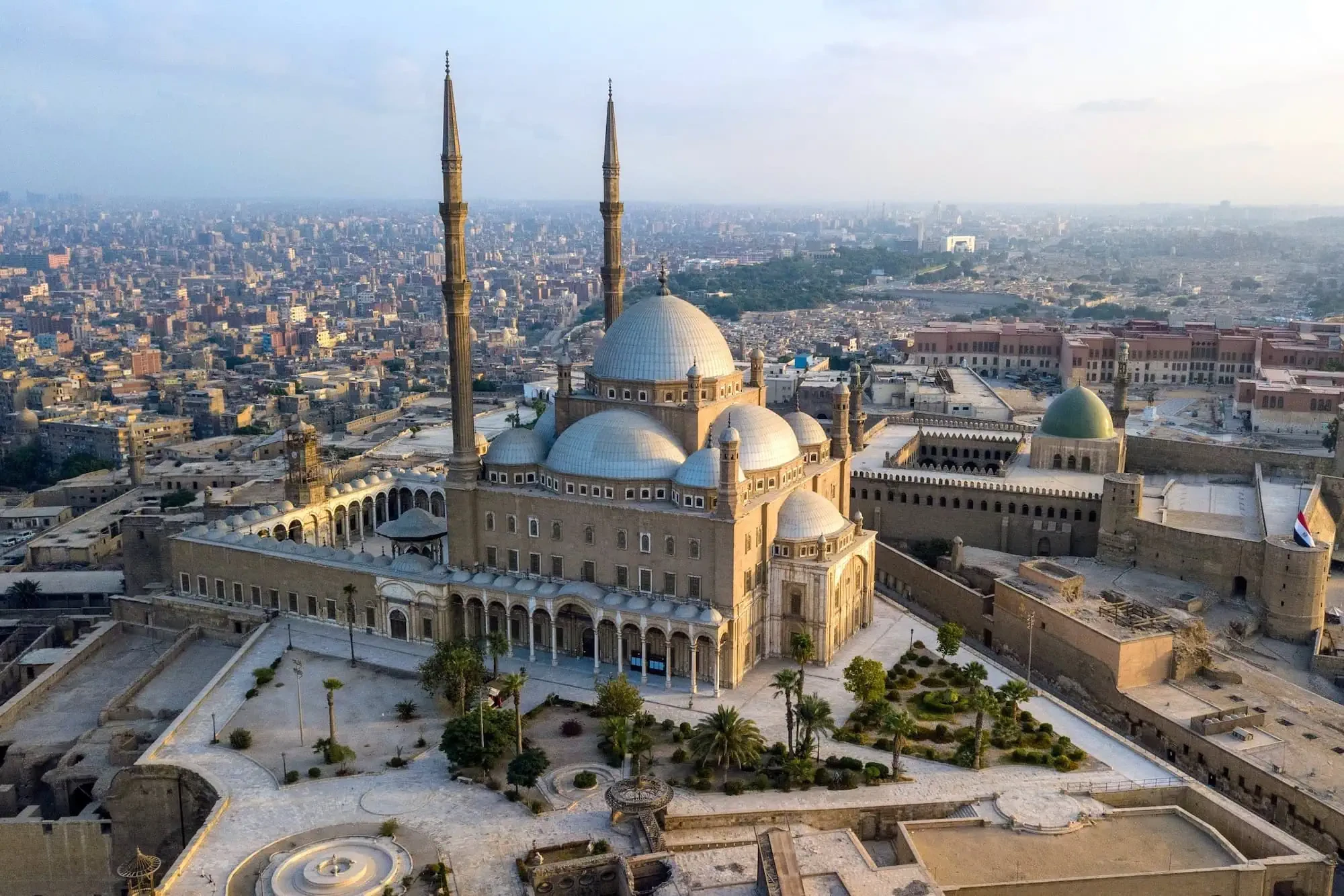
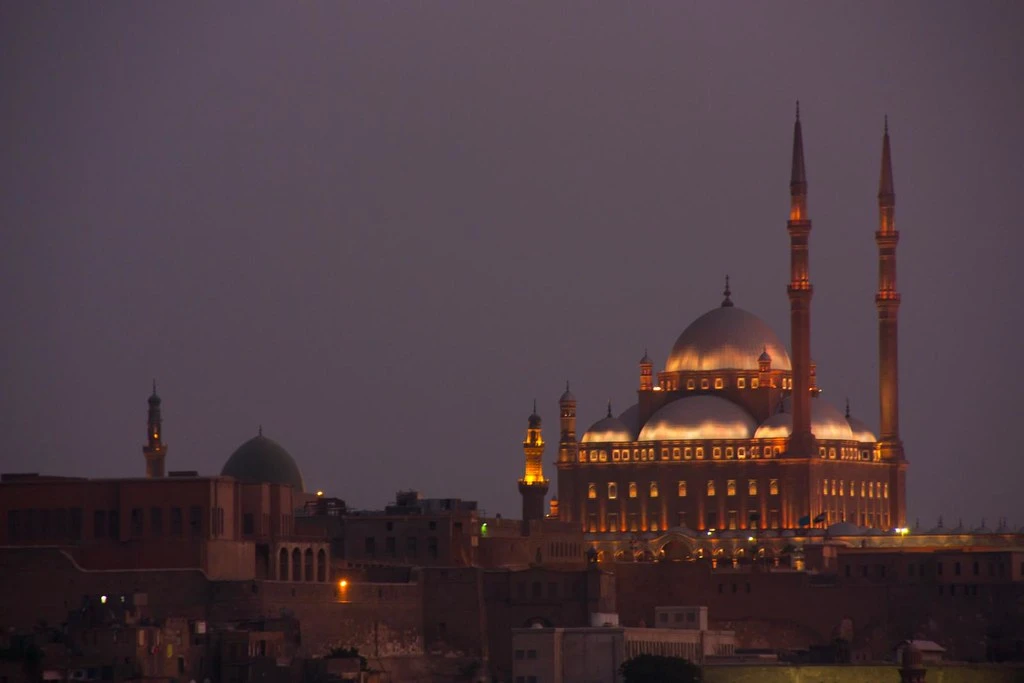
The Mosque of Muhammad Ali is one of the first things most people notice when they look up at the Cairo Citadel. Its big domes, tall minarets and pale marble walls stand out clearly against the rest of the city. Because it sits high up on the hill you also get wide views across Cairo while you’re there.
People often call it the Alabaster Mosque. It was built in the 19th century and still feels like a strong reminder of that period in Egypt’s history. The combination of the architecture, the story behind it and the location makes it a natural stop for anyone interested in Islamic heritage or simply wanting to see one of Cairo’s most important landmarks.
The History of the Mosque of Muhammad Ali
The Mosque of Muhammad Ali history begins in 1830, when Muhammad Ali Pasha commissioned its construction inside the Citadel of Saladin. The project continued until his death in 1848, and he was buried inside the mosque. The building was constructed on the site of former Mamluk palaces, connecting its story with the long history of the citadel itself.
Muhammad Ali Pasha played a major role in shaping modern Egypt during the 19th century. His mosque was more than a religious building; it also reflected his ambition to establish a lasting landmark associated with his rule. Its prominent position above the city helped make it one of Cairo's most recognizable monuments.
Today the mosque remains an important destination for visitors who want to understand how Egypt architectural and political history developed beyond the Pharaonic period. Its story also provides insight into the legacy of Muhammad Ali Pasha and the changes that shaped Cairo during his era.
Architecture and Design of the Alabaster Mosque
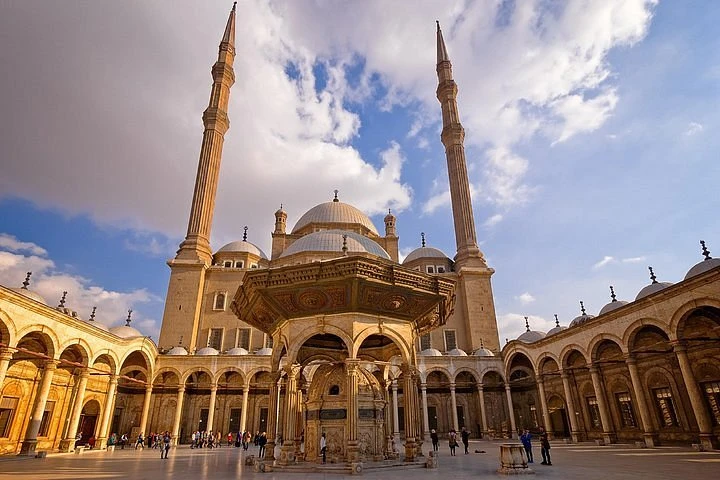
The Muhammad Ali Mosque architecture takes a lot of its style from Ottoman architecture. A large central dome sits over the main prayer hall, with four semi-domes around it and smaller domes at the corners. Two tall minarets stand on either side and give the building its clear outline against the Cairo skyline.
It’s often called the Alabaster Mosque Cairo because of the alabaster and marble panels used on parts of the walls, both inside and out. Those materials are what give the mosque its particular look and why the name sticks.
Inside, the Muhammad Ali Mosque interior feels open and spacious. There are decorative details, hanging lamps, and a real sense of scale that shows the grandeur of Ottoman-inspired mosque design. It’s worth spending time looking around the interior as well as the outside.
The open courtyard offers another perspective on the mosque. It contains a fountain used for ablution and a copper clock tower gifted to Muhammad Ali Pasha by King Louis Philippe of France in 1845. In return, Muhammad Ali sent an ancient Egyptian obelisk from Luxor to France. The obelisk now stands in Place de la Concorde in Paris, creating a historical connection between Cairo and the French capital.
These architectural features and historical details make the mosque worth visiting for anyone interested in Egypt's cultural heritage.
Where Is the Mosque of Muhammad Ali Located?
The Mosque of Muhammad Ali is located inside the Citadel of Saladin on elevated ground overlooking Cairo. The citadel is a historic fortress and one of the city's major Islamic-era landmarks, with several important buildings and monuments within its grounds.
Often referred to as the Cairo Citadel Mosque, it is one of the main highlights of citadel tours. Located above the citadel, visitors can enjoy unobstructed views of Cairo. Along with its great views, the Mosque provides its visitors an opportunity to appreciate Cairo’s history, and most notably, its unique architecture.
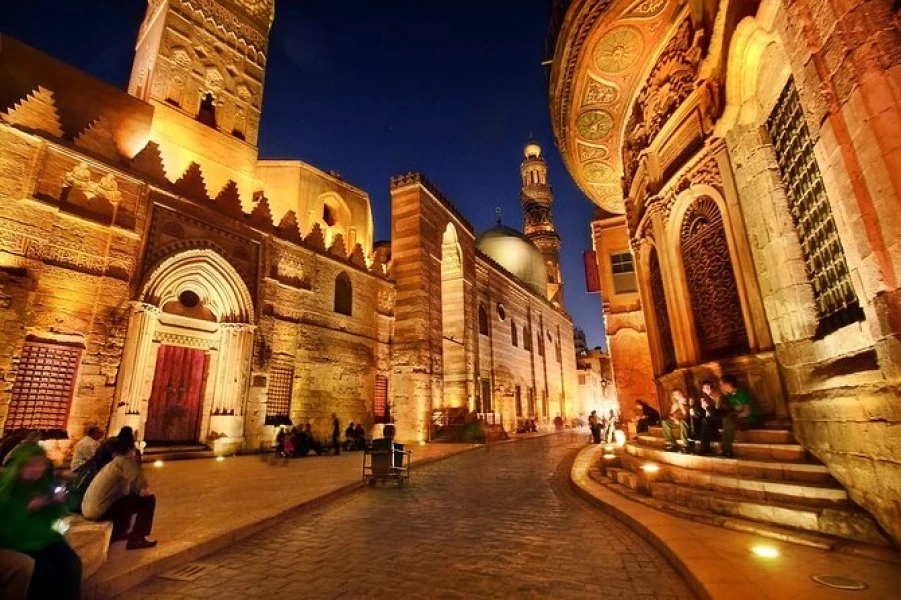
The location also makes it convenient to combine the mosque with other nearby attractions. Travelers can explore additional landmarks within the citadel before continuing to historic mosques and cultural sites in Islamic Cairo. A visit to the Cairo Citadel and Mosque of Muhammad Ali can therefore be a useful part of a wider Cairo sightseeing itinerary.
Why Is the Mosque of Muhammad Ali Important?
The Mosque of Muhammad Ali stands out because it belongs to a different chapter of Egypt’s architectural story. Its Ottoman style is quite different from many of the older mosques in Cairo and shows the influences that shaped religious buildings during Muhammad Ali Pasha’s time.
It also carries historical weight as the place where Muhammad Ali Pasha himself is buried. His rule played a big part in shaping modern Egypt. Sitting inside the Citadel of Saladin, the mosque links that 19th-century period with a much older part of Cairo’s history, so you get a sense of different eras of the city’s political and cultural life in one place.
For anyone visiting, it’s a chance to look at Islamic architecture up close, learn a bit about 19th-century Egypt, and take in the views over the capital from one of its best-known historic spots. The details of the building and the history behind it make it a natural stop if you’re interested in Cairo’s heritage.
Planning a Visit to the Mosque of Muhammad Ali
A visit to the mosque can be included in a wider Cairo sightseeing tour itinerary. Many travelers combine it with the Citadel of Saladin and other historical attractions, allowing time to appreciate both the mosque's architecture and the surrounding monuments.
If you prefer an organized experience look for a day tour to Mosque of Muhammad Ali that includes the Cairo Citadel and nearby historical sites. A guided visit can help explain the building architectural features, the history of Muhammad Ali Pasha and the role the citadel played in Cairo's development.
Before you go, it’s worth checking the current Mosque of Muhammad Ali opening hours and Mosque of Muhammad Ali entrance fee through official tourism sources, as these can change. The mosque is still an active place of worship, so dress modestly and follow any instructions given to visitors.
Give yourself enough time to walk through the prayer hall and the courtyard without feeling rushed. While you’re up at the Citadel you can also look at the other sites there if you like. If you want to see more of the city, a Cairo day tour or a tour focused on Islamic Cairo attractions can take you through some of the historic streets, other mosques and cultural landmarks.